Efficient material movement is an important part of any manufacturing unit, warehouse, factory, logistics facility, or industrial operation. From receiving raw materials to moving components through production and handling finished goods, the right material handling equipment can help businesses improve productivity, reduce unnecessary manual work, and organize their workflow more effectively.
However, every business has different requirements. Equipment that works well in a warehouse may not be suitable for a heavy engineering plant. Before investing, businesses should evaluate load capacity, material type, lifting height, available space, operating frequency, safety requirements, and future expansion.
For companies looking for reliable material handling equipment manufacturers, Isha Engineering and Co. provides industrial solutions including Scissor Lifts, Goods Lifts, Truck Tipplers, Dock Levelers, Stackers, Mini Skid Steers, Aerial Work Platforms, and customized hydraulic equipment.
What Is Material Handling Equipment?
Material handling equipment refers to machines and systems used to move, lift, position, load, unload, store, or control materials within an industrial facility.
Depending on the application, this can include raw materials, pallets, cartons, machine components, finished products, bulk materials, and other industrial loads.
Common types of industrial material handling equipment include:
- Scissor Lifts
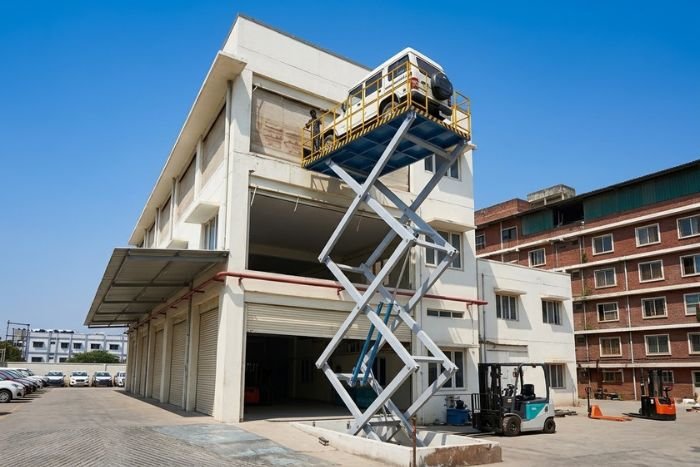
- Goods Lifts
- Hydraulic Stackers
- Dock Levelers
- Truck Tipplers
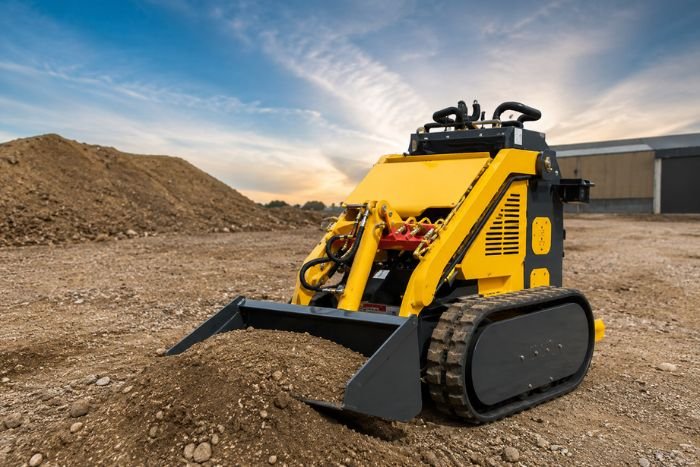
- Mini Skid Steers
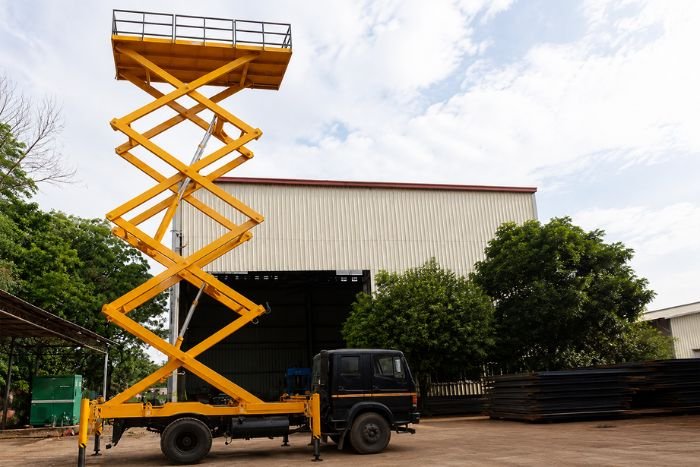
- Aerial Work Platforms
- Customized Hydraulic Lifting Systems
Choosing the correct equipment begins with understanding exactly what needs to be moved and how it moves through your facility.
1. Understand Your Material Handling Requirements
Before comparing machines, study your existing workflow.
Identify where materials enter your facility, where they are stored, how they reach production, and where finished products are moved after manufacturing.
Ask questions such as:
What materials are being handled?
How heavy are the loads?
How frequently are they moved?
Do materials need horizontal or vertical movement?
Are there multiple floors?
How much operating space is available?
Answering these questions can help narrow down the most suitable industrial material handling solution.
2. Consider Load Capacity
Load capacity is one of the most important selection factors.
Industrial equipment should be selected according to the maximum expected operating load, not merely the average load.
Consider the combined weight of pallets, components, containers, tools, machinery parts, or other materials being handled.
For example, a light warehouse application will have very different requirements from an engineering facility handling several tonnes of machinery components.
Never exceed the manufacturer’s rated capacity. Selecting equipment with the correct capacity is essential for safe and reliable operation.
3. Choose Equipment Based on the Type of Movement
Different machines are designed for different material movements.
Scissor Lifts
A hydraulic scissor lift can be suitable when materials, components, or personnel need controlled vertical positioning. They are commonly used in assembly lines, production areas, maintenance applications, and material handling.
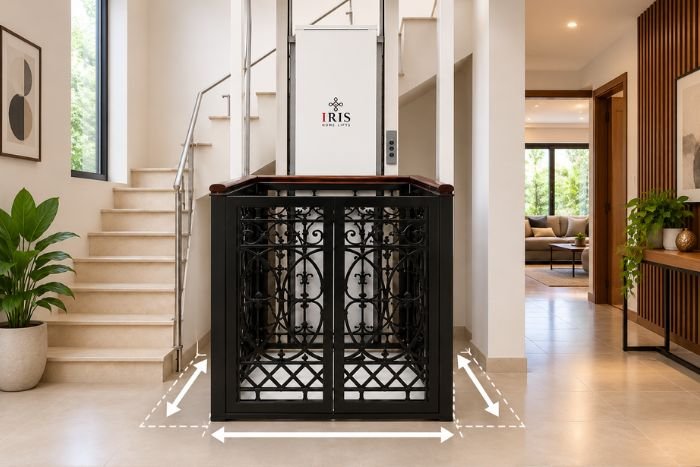
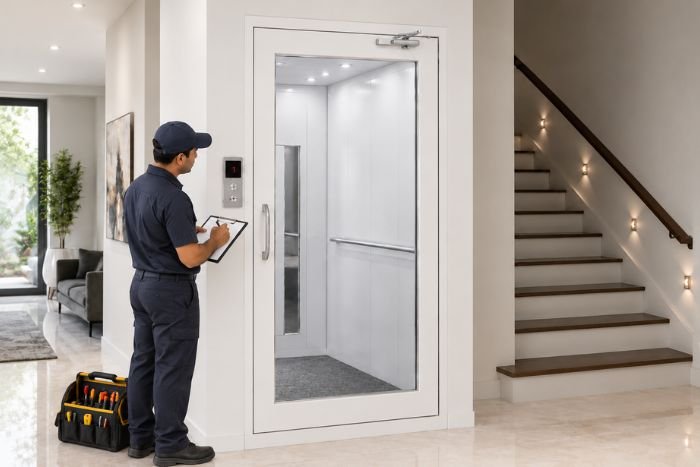
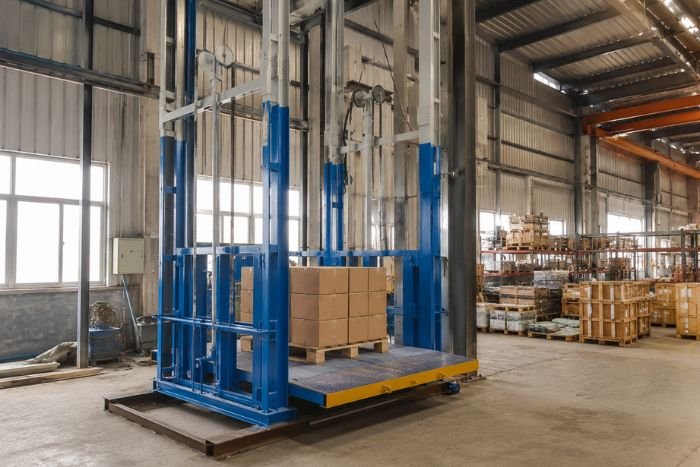
Goods Lifts
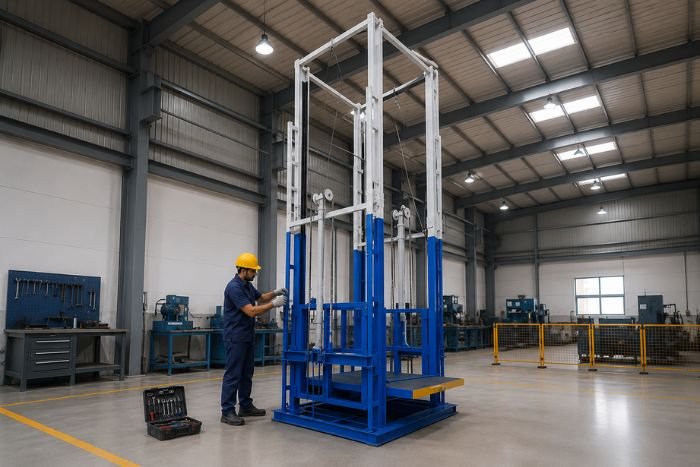
A hydraulic goods lift is useful when goods need to move between different floors. Factories and warehouses with multi-level operations can use goods lifts to connect storage, production, packaging, and dispatch areas.
Stackers
Industrial stackers can support lifting and positioning operations in warehouses and storage facilities, depending on the specific model and application.
Truck Tipplers
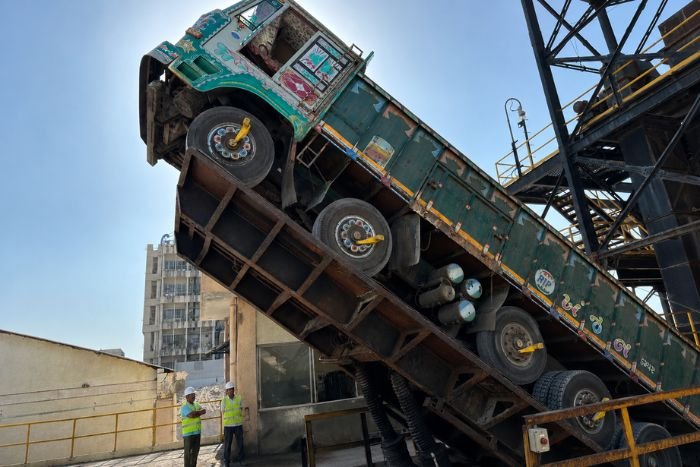
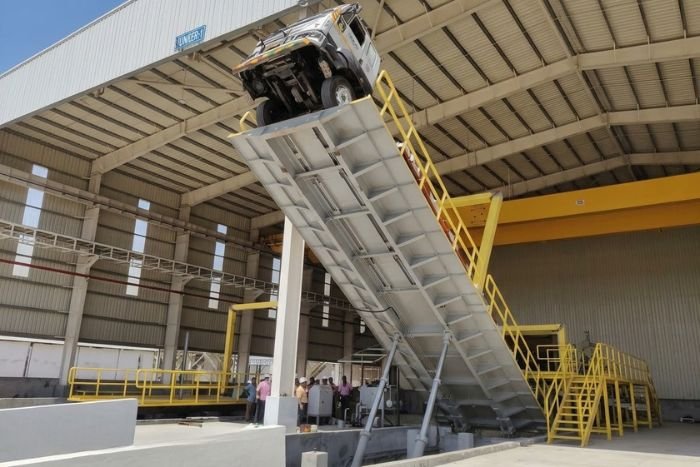
A truck tippler is designed for applications requiring efficient unloading of bulk materials from trucks.
Dock Levelers
A dock leveler helps bridge height differences between loading docks and vehicles, supporting smoother loading and unloading operations.
Understanding the required movement will prevent businesses from investing in equipment that does not match their actual workflow.
4. Evaluate Your Available Space
Industrial floor space is valuable.
Before selecting equipment, measure the working area carefully. Consider machine dimensions as well as turning space, loading areas, operator access, nearby equipment, storage racks, and safety clearances.
Compact facilities may require specialized or customized equipment.
For example, a floor-mounted scissor lift may be suitable for one application, while a pit-mounted configuration may integrate more effectively into another production layout.
Choosing equipment according to available space helps maintain an organized workflow.
5. Consider Operating Frequency
How often will the equipment be used?
A machine operating occasionally during maintenance work has different requirements from equipment performing repeated cycles throughout a production shift.
Businesses should evaluate:
- Daily operating hours
- Number of lifting cycles
- Average load
- Maximum load
- Peak production periods
- Continuous or intermittent use
Sharing this information with the manufacturer can help determine a suitable machine configuration for the required duty.
6. Focus on Safety Features
Safety should be considered throughout the equipment selection process.
Different material handling machines require different safety arrangements depending on their application and installation.
These may include emergency stop controls, overload protection, limit switches, mechanical locking systems, gates, protective enclosures, anti-skid surfaces, and other application-specific provisions.
Operators should also receive appropriate training and follow the manufacturer’s operating instructions.
The lowest-priced machine is not necessarily the best choice if it does not provide the design, capacity, and safety provisions required for the application.
7. Consider Automation and Productivity
Modern factories increasingly focus on improving workflow and reducing repetitive manual handling.
The right material handling equipment can help create a more organized movement of goods between processes.
For example:
Raw Material → Storage → Production → Assembly → Packaging → Dispatch
Equipment can be positioned at key stages of this workflow to reduce unnecessary movement and waiting time.
A hydraulic goods lift may connect different floors, while a scissor lift can position components at the required working height. Dock equipment can then support efficient movement during dispatch.
8. Decide Between Standard and Customized Equipment
Standard machines are suitable for many applications, but some industrial operations require specialized solutions.
A custom material handling system may be beneficial when your facility has unique requirements such as:
- Special load capacities
- Non-standard platform dimensions
- Restricted installation space
- Specific lifting heights
- Existing production-line integration
- Special loading arrangements
- Unique material dimensions
Working directly with an experienced manufacturer can help businesses develop equipment around the actual process instead of modifying their process around unsuitable standard machinery.
9. Consider Maintenance and Service Support
Industrial equipment is a long-term investment.
Before purchasing, businesses should consider maintenance requirements, accessibility of components, technical support, availability of service, and recommended preventive maintenance.
Regular inspections can help identify wear and operating issues before they become larger problems.
Keep maintenance records and follow the manufacturer’s recommended servicing schedule. Technical repairs should be carried out by appropriately trained personnel.
10. Think About Future Business Growth
Avoid selecting equipment based only on today’s production requirements.
Your business may increase production, add new product lines, expand warehouse capacity, or introduce additional shifts in the future.
Where practical, consider whether the selected equipment can support reasonable future requirements.
Planning ahead can reduce the need to replace equipment prematurely when production demands increase.
Benefits of Choosing the Right Material Handling Equipment
Selecting appropriate industrial material handling equipment can provide several operational advantages.
It can help reduce repetitive manual handling, improve material flow, make better use of industrial space, support production efficiency, and create a more organized working environment.
More importantly, equipment designed around the actual application can integrate more effectively with existing manufacturing and warehouse processes.
Why Choose Isha Engineering and Co.?
Isha Engineering and Co. provides hydraulic and material handling solutions for various industrial applications.
Its product portfolio includes Scissor Lifts, Goods Lifts, Truck Tipplers, Dock Levelers, Stackers, Mini Skid Steers, Aerial Work Platforms, Hydraulic Presses, Baling Presses, Filter Presses, and customized engineering equipment.
Businesses looking for a material handling equipment manufacturer can discuss their load capacity, application, available space, lifting requirements, operating frequency, and other specifications to identify a suitable solution.
For customized applications, this engineering-focused approach helps ensure that the equipment is selected according to practical operating requirements.
Conclusion
Choosing the right material handling equipment for your business starts with understanding your workflow rather than simply selecting a machine from a catalogue.
Consider what materials need to be moved, their weight and dimensions, movement direction, available space, operating frequency, safety requirements, and future production needs.
Whether your facility requires a Scissor Lift, Goods Lift, Truck Tippler, Dock Leveler, Stacker, Mini Skid Steer, or another customized material handling solution, selecting equipment that matches your actual application can improve productivity and support smoother industrial operations.
Isha Engineering and Co. provides industrial material handling and hydraulic solutions designed around different manufacturing, warehouse, and engineering requirements.