Modern factories are constantly looking for better ways to improve productivity, reduce manual handling, and move heavy materials safely between different floors. One of the most practical solutions for vertical material movement is a Hydraulic Goods Lift. Designed specifically for transporting goods, raw materials, machinery parts, pallets, and finished products, these lifts have become an important part of modern industrial infrastructure.
Whether it is a manufacturing plant, warehouse, production unit, or storage facility, installing an industrial goods lift can make everyday material handling faster and more organized. For industries looking for reliable hydraulic lifting solutions, Isha Engineering and Co. offers goods lifts designed for various industrial applications.
What Is a Hydraulic Goods Lift?
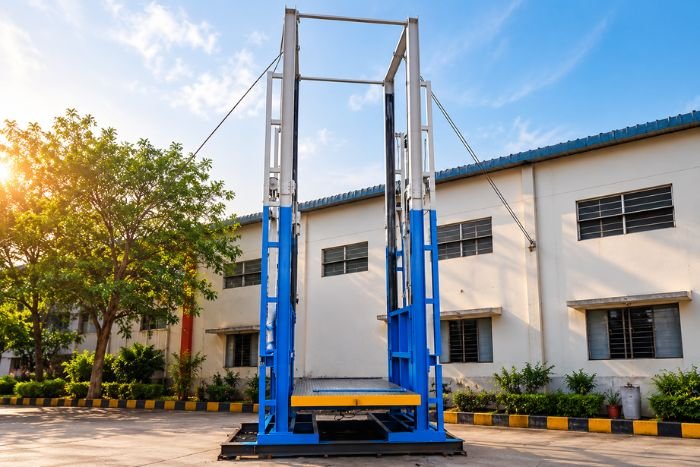
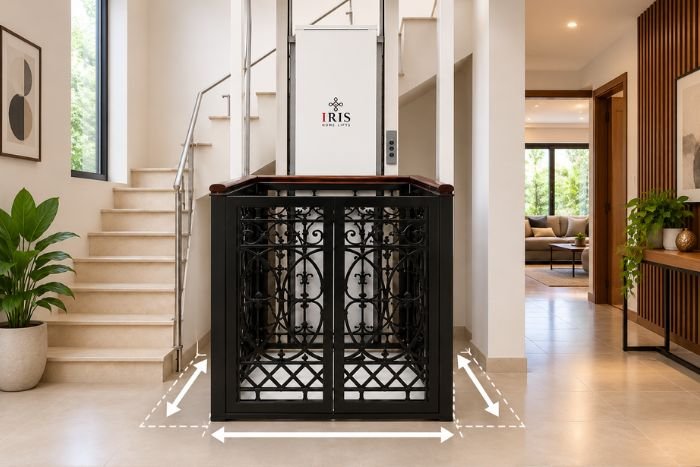
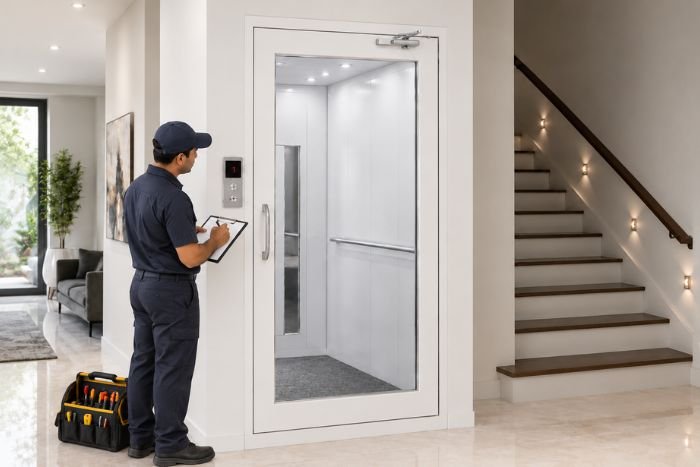
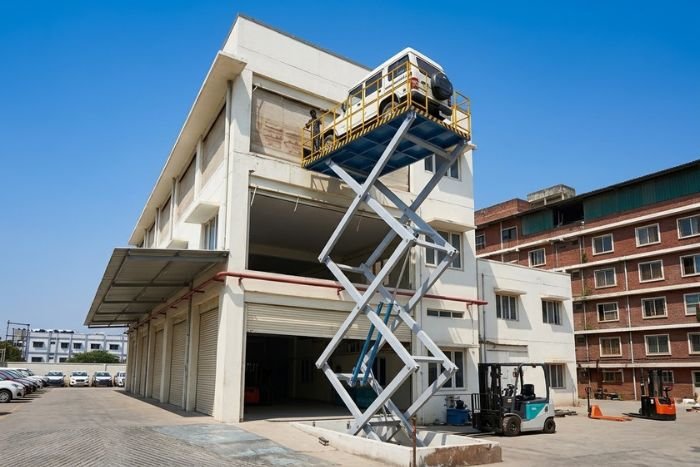
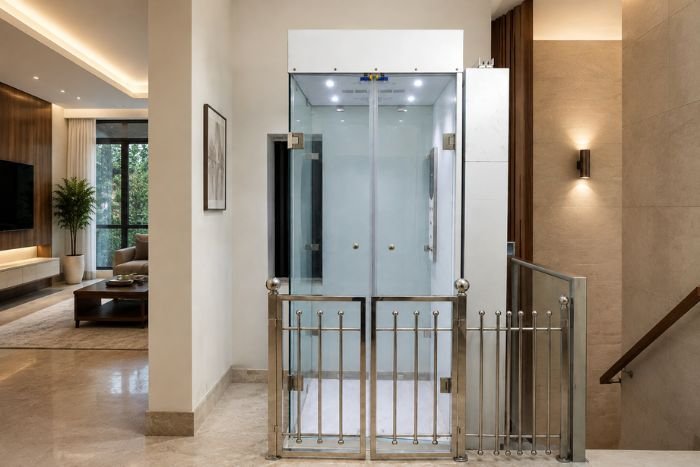
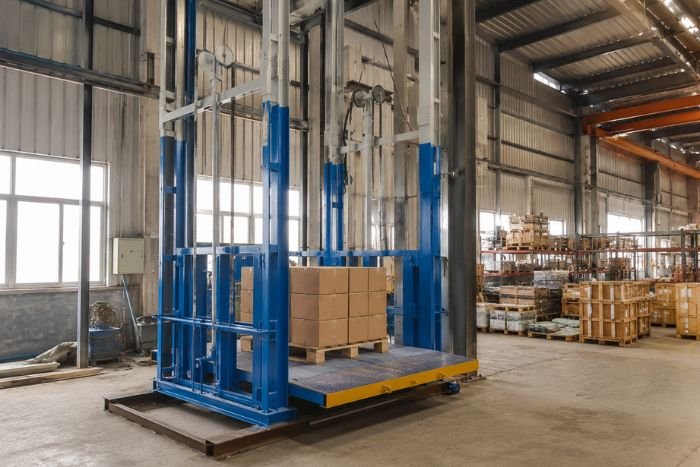
A Hydraulic Goods Lift is an industrial lifting system designed to transport materials vertically between different floor levels. Hydraulic power provides controlled lifting and lowering of the platform or cabin.
Unlike passenger elevators, goods lifts are primarily designed for material movement. They can handle items such as:
- Raw materials
- Industrial components
- Pallets and boxes
- Tools and equipment
- Machine parts
- Finished products
- Warehouse inventory
The load capacity, lifting height, platform dimensions, enclosure, gates, and operating controls can be selected according to the industrial application.
1. Faster Movement of Heavy Materials
Moving materials manually between floors can consume considerable time and manpower. It can become even more difficult when factories handle heavy components or large quantities of goods every day.
A hydraulic goods lift for factories provides a dedicated vertical transportation system. Workers can load materials onto the platform and move them to the required floor without relying on repetitive manual lifting.
Faster material movement can help production departments receive components on time and maintain a smoother workflow.
2. Reduces Manual Material Handling
Manual handling of heavy materials can be physically demanding. In a busy manufacturing environment, employees may repeatedly need to move boxes, components, tools, or products from one level to another.
An industrial hydraulic goods lift reduces dependence on manual vertical transportation.
Instead of workers carrying heavy loads using stairs or other unsuitable methods, materials can be transported using equipment designed for the task. This allows employees to concentrate on production, assembly, inspection, packaging, and other important operations.
3. Improves Factory Productivity
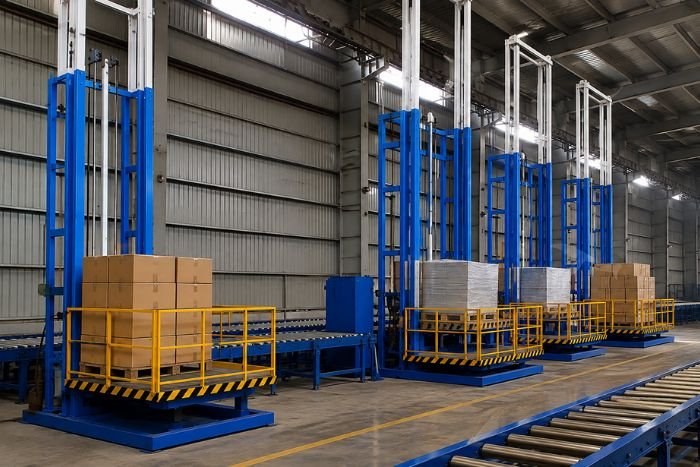
Productivity depends heavily on how efficiently materials move through a factory.
Imagine a manufacturing unit where raw materials are stored on one floor, production happens on another, and finished products are stored elsewhere. Without an efficient material-handling system, employees may spend unnecessary time transferring goods.
Installing a goods lift for industrial use creates a direct route between floors.
Materials can move efficiently from:
Storage → Production → Assembly → Packaging → Finished Goods
A better material flow can reduce unnecessary movement and support more organized factory operations.
4. Suitable for Heavy-Duty Industrial Applications
Factories often handle loads that ordinary lifting solutions cannot accommodate efficiently.
Depending on its design and rated capacity, a heavy-duty goods lift can be configured for different industrial materials and equipment. This makes goods lifts useful across manufacturing sectors where regular vertical movement is required.
Common applications include engineering industries, automobile component units, textile factories, warehouses, fabrication facilities, packaging units, processing plants, and general manufacturing industries.
The important point is to select the appropriate rated capacity based on the actual maximum load expected during operation.
5. Makes Better Use of Vertical Factory Space
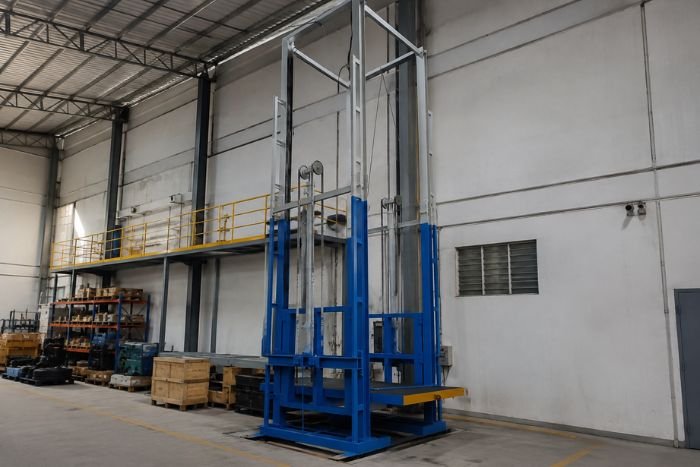
Industrial floor space can be expensive and limited. As a factory grows, expanding horizontally may not always be practical.
This is where vertical space becomes valuable.
Factories can use upper floors or mezzanine levels for storage, production, packaging, or other operations. A Hydraulic Goods Lift helps connect these levels by providing an efficient way to move materials vertically.
Instead of keeping all operations on the ground floor simply because heavy goods are difficult to move upstairs, businesses can make better use of available building space.
6. Supports Organized Warehouse Operations
Goods lifts are equally useful in warehouses and distribution facilities.
Warehouses frequently receive and dispatch pallets, cartons, components, and other inventory. If storage areas are spread across multiple floors, moving these materials manually can slow down operations.
A warehouse goods lift can connect loading, storage, picking, and dispatch areas across different levels.
This can help businesses create a more structured material flow while improving accessibility to upper-floor storage areas.
7. Can Be Customized for Different Industries
Every factory has different material-handling requirements.
One business may need to move relatively small components, while another may need to transport large industrial materials. Platform dimensions, load capacity, lifting height, number of stops, gate arrangement, and installation space can all differ.
This is why a customized hydraulic goods lift can be valuable.
Isha Engineering and Co. offers industrial lifting solutions that can be developed according to application requirements. Working with an experienced manufacturer allows businesses to specify factors such as load, travel height, platform size, floor levels, and operating environment.
8. Supports Safer Material Movement
Safety is an important consideration in any factory.
Using equipment designed specifically for vertical material movement can reduce reliance on unsuitable manual handling methods. Depending on the design and application, an industrial goods lift may incorporate protective enclosures, gates, interlocking arrangements, emergency controls, limit switches, and other safety provisions.
The exact safety configuration should be determined according to the lift design, intended application, site conditions, and applicable standards.
Regular inspection, preventive maintenance, and correct operator training are also important for reliable operation.
9. Integrates with Modern Manufacturing Workflows
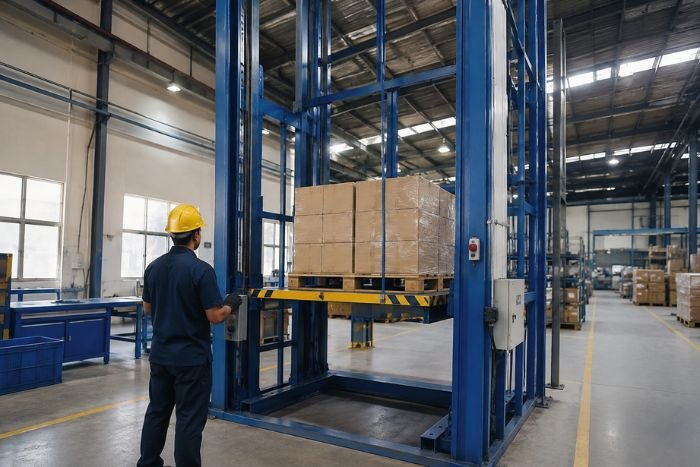
Modern factories increasingly focus on lean manufacturing, better workflow planning, and efficient use of resources.
A hydraulic goods lift can become part of this material-handling system by connecting different production areas vertically.
For example, raw materials can be transported from storage to production, manufactured components can move to assembly, and finished products can then be transferred to packaging or dispatch.
This creates a smoother workflow and reduces unnecessary internal material movement.
10. Offers Long-Term Value for Industrial Facilities
A goods lift should be considered an investment in factory infrastructure rather than simply another piece of equipment.
When properly selected, installed, operated, and maintained, a hydraulic goods lift can support industrial operations for years. Its ability to reduce repetitive manual material movement, connect multiple floors, and improve workflow can provide long-term operational value.
For growing factories, this becomes particularly useful as production volumes and material-handling requirements increase.
How to Choose the Right Hydraulic Goods Lift
Before purchasing a Hydraulic Goods Lift, businesses should clearly identify their operational requirements. Important factors include:
- Maximum load capacity
- Required lifting height
- Platform or cabin dimensions
- Number of floor levels
- Frequency of operation
- Type and size of materials
- Available installation space
- Gate and enclosure requirements
- Electrical and hydraulic specifications
- Required safety provisions
Discussing these requirements with an experienced goods lift manufacturer can help determine the most suitable configuration.
Why Choose Isha Engineering and Co.?
Isha Engineering and Co. provides hydraulic and material-handling equipment for various industrial applications. The company’s product portfolio includes Goods Lifts, Scissor Lifts, Hydraulic Presses, Baling Presses, Filter Presses, Truck Tipplers, Dock Levelers, Aerial Work Platforms, and customized engineering solutions.
For businesses searching for a Hydraulic Goods Lift manufacturer in Coimbatore, working with a manufacturer that understands industrial load handling and customization can help ensure the lift is designed around actual operating requirements.
Conclusion
A Hydraulic Goods Lift can play an important role in a modern factory by making vertical material movement faster, easier, and more organized. It can reduce manual handling, improve workflow, support better utilization of factory space, and connect production and storage areas efficiently.
From manufacturing plants and warehouses to engineering and processing units, industrial goods lifts provide a practical solution for businesses handling materials across multiple levels.
If your facility requires a standard or customized Hydraulic Goods Lift, Isha Engineering and Co. provides industrial lifting solutions designed around specific material-handling requirements.