A hydraulic press is one of the most versatile machines used in modern manufacturing and engineering industries. From forming and bending metal components to pressing, straightening, punching, and assembly operations, hydraulic presses can deliver controlled force for a wide range of industrial processes.
Different industries require different pressing capacities, bed sizes, stroke lengths, tooling arrangements, and control systems. This is why selecting the right industrial hydraulic press according to the application is important for productivity, accuracy, and reliable operation.
Isha Engineering and Co. manufactures hydraulic equipment and customized industrial solutions for different manufacturing requirements. Understanding the major hydraulic press applications can help businesses determine where these machines can improve their production processes.
What Is a Hydraulic Press?
A hydraulic press is a machine that uses hydraulic pressure to generate compressive force. Hydraulic fluid transfers pressure through the system, allowing the press to apply controlled force to a workpiece.
Compared with manual pressing methods, a hydraulic press machine can provide consistent force and controlled movement for repetitive industrial operations.
Depending on its design and tooling, a hydraulic press may be used for:
- Metal forming
- Bending
- Straightening
- Punching
- Press fitting
- Assembly
- Compression
- Component shaping
- Industrial production processes
The exact application depends on press capacity, tooling, materials, and machine configuration.
1. Automotive Industry
The automotive sector is one of the major users of industrial hydraulic press machines.
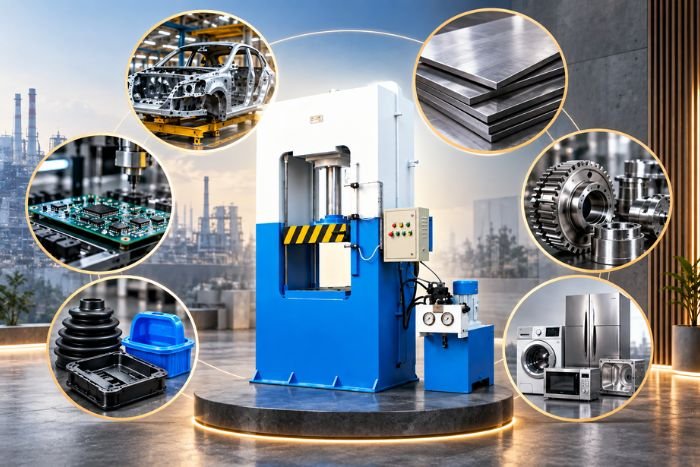
Vehicle and component manufacturers need accurately formed metal parts in different shapes and sizes. Hydraulic presses can be integrated into production processes for forming, bending, punching, and assembly operations.
Typical applications can include manufacturing or processing selected brackets, panels, bushings, bearings, and other automotive components.
The ability to control pressing force makes hydraulic presses useful where repeatability is important.
Customized presses can also be designed according to the dimensions and production requirements of specific automotive parts.
2. Metal Fabrication Industry
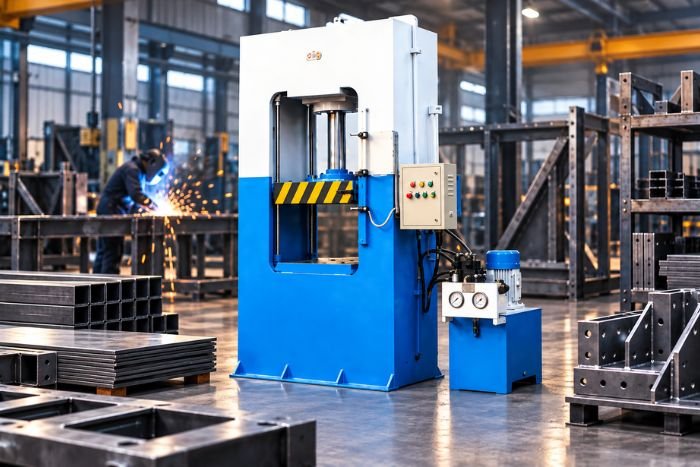
Metal fabrication involves cutting, bending, shaping, joining, and processing metal into usable components.
A hydraulic press for metal forming can support several of these processes, particularly where substantial and controlled force is required.
Fabrication companies may use hydraulic presses for:
- Sheet metal bending
- Component forming
- Straightening
- Press fitting
- Punching
- Shaping operations
The appropriate machine capacity depends on the material type, thickness, component dimensions, tooling, and required operation.
For companies handling different jobs, a customized hydraulic press can be developed around specific production requirements.
3. Engineering and Manufacturing Industries
General engineering industries manufacture components for machinery, infrastructure, industrial equipment, and other sectors.
These facilities often need reliable pressing equipment for repetitive production operations.
A hydraulic press for manufacturing can be used to position, form, straighten, assemble, or compress components depending on the process.
Hydraulic presses are particularly useful when manufacturers need controlled force across repeated cycles.
Choosing suitable controls and tooling can also help integrate the press into an existing manufacturing workflow.
4. Electrical and Electronics Manufacturing
Hydraulic presses can also support certain operations within electrical and electronics manufacturing.
Depending on the product and production method, presses may be used for component assembly, forming, punching, or fitting operations.
For example, a controlled press-fitting process may be required where one component needs to be inserted into another at a specified force.
However, electrical and electronic components can require specialized tooling and precise process control. The press should therefore be selected according to the specific product, tolerances, and manufacturing requirements.
5. Rubber and Plastic Industries
Compression processes are widely used in the production of various rubber and plastic components.
Specially designed hydraulic presses can be used in applications where material needs to be compressed or formed within suitable moulds and under controlled process conditions.
The requirements can vary significantly depending on material properties, temperature, pressure, mould dimensions, and production cycle.
For these applications, manufacturers should specify their process requirements clearly so the custom hydraulic press can be designed appropriately.
6. Appliance and Consumer Product Manufacturing
Manufacturers of appliances and other consumer products often work with sheet metal and formed components.
Hydraulic presses may be used during selected stages of component production, including forming, bending, punching, and assembly.
The ability to produce repeatable movements and controlled pressing force makes these machines useful for production environments where similar components are manufactured in quantity.
The appropriate tooling arrangement should always be designed around the specific workpiece.
7. Construction and Infrastructure Component Manufacturing
The construction sector depends on a large supporting industry that manufactures metal components, structural parts, fittings, and other products.
A heavy-duty hydraulic press may be used in certain manufacturing operations involving thick materials or larger components.
Applications can include straightening, bending, shaping, and press-fitting operations where appropriate.
Heavy-duty applications require careful consideration of machine structure, pressing capacity, work area, tooling, and safety systems.
8. Agricultural Equipment Manufacturing
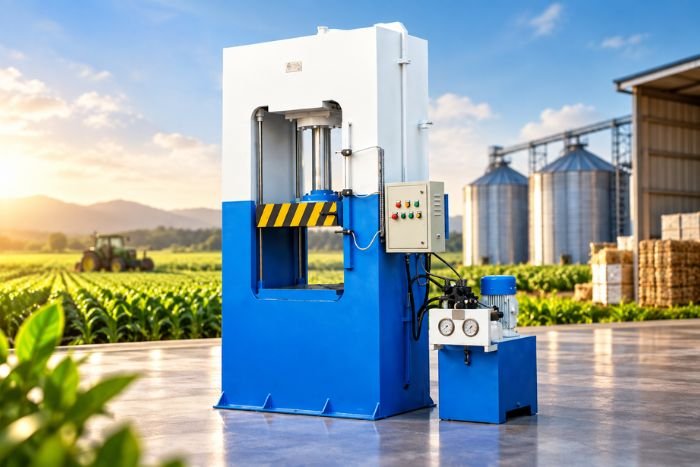
Agricultural machinery contains numerous fabricated and assembled metal components.
Manufacturers of agricultural equipment may use hydraulic presses for forming, bending, straightening, and fitting operations during component production.
Because agricultural machinery can contain parts of different shapes and sizes, manufacturers may require flexible or customized press configurations.
A press designed around actual component dimensions and required force can help improve production efficiency.
9. Maintenance and Repair Workshops
Hydraulic presses are not limited to large-scale manufacturing.
Engineering workshops and maintenance facilities can also use them for repair and component servicing operations.
Depending on the press and workpiece, applications may include:
- Bearing removal and installation
- Bush fitting
- Shaft-related work
- Component straightening
- Press fitting
- General repair operations
Workshop presses should always be operated within their rated capacity and with suitable tooling and safe working procedures.
10. Specialized Industrial Applications
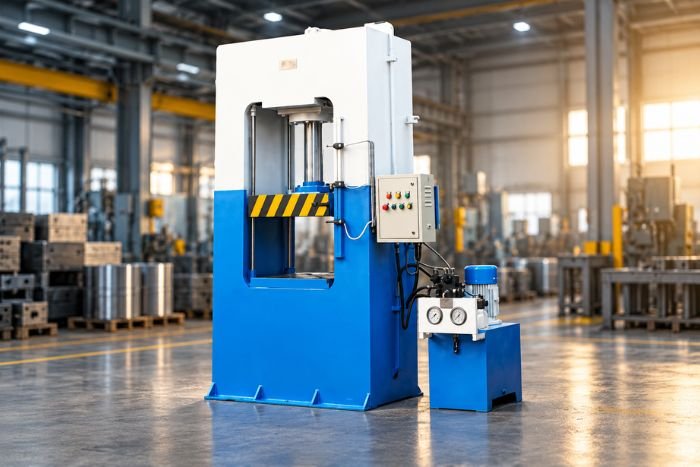
Some businesses require pressing operations that cannot be efficiently completed using a standard machine.
They may need a special bed size, unusually long stroke, specific pressing capacity, dedicated fixtures, or customized control arrangement.
In such cases, a customized hydraulic press machine can provide a better solution.
Customization may involve:
- Pressing capacity
- Stroke length
- Daylight
- Bed dimensions
- Frame configuration
- Hydraulic system
- Control system
- Tooling arrangement
- Safety provisions
Working with an experienced hydraulic press manufacturer allows these specifications to be developed according to the intended application.
Advantages of Hydraulic Press Machines
Hydraulic presses are widely used because they can offer several practical benefits for industrial production.
Depending on the machine design, they can provide controlled pressing force, smooth operation, flexibility across different processes, and customization for specific applications.
They can also be developed in different capacities and configurations, making hydraulic press technology suitable for both general engineering and specialized manufacturing requirements.
How to Choose the Right Hydraulic Press
Before purchasing a hydraulic press machine, businesses should first define the process the machine needs to perform.
Important considerations include:
- Required pressing force
- Material type and thickness
- Component dimensions
- Stroke requirement
- Bed and working area
- Production frequency
- Tooling requirements
- Control requirements
- Available installation space
- Safety provisions
Providing these details to the manufacturer can help determine the most suitable press configuration.
Avoid choosing a press solely on tonnage. Two applications requiring similar force may still need very different bed sizes, strokes, controls, and tooling.
Importance of Hydraulic Press Safety
Industrial presses generate significant force, making safe operation essential.
Depending on the press design and application, appropriate guards, emergency controls, operating procedures, tooling, and other safety provisions may be required.
Operators should be properly trained, and equipment should be inspected and maintained according to manufacturer recommendations and applicable safety requirements.
Maintenance or repairs involving hydraulic, electrical, structural, or control components should be carried out by appropriately trained personnel.
Why Choose Isha Engineering and Co.?
Isha Engineering and Co. provides hydraulic and industrial engineering equipment for different manufacturing applications.
Businesses looking for a hydraulic press manufacturer can discuss their pressing capacity, material, component dimensions, stroke, working area, production requirements, and customization needs to develop an appropriate solution.
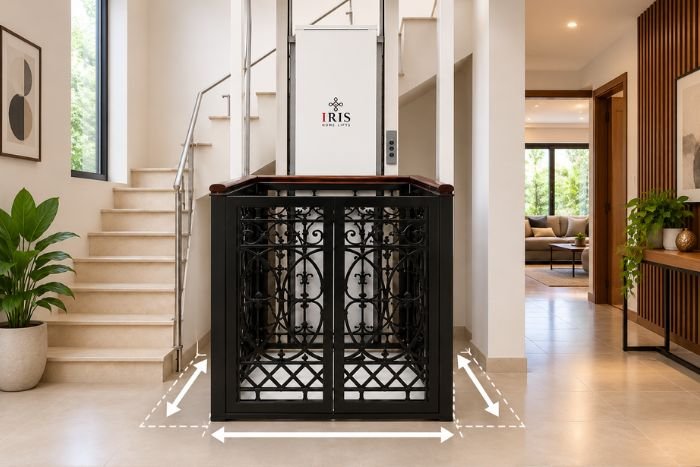
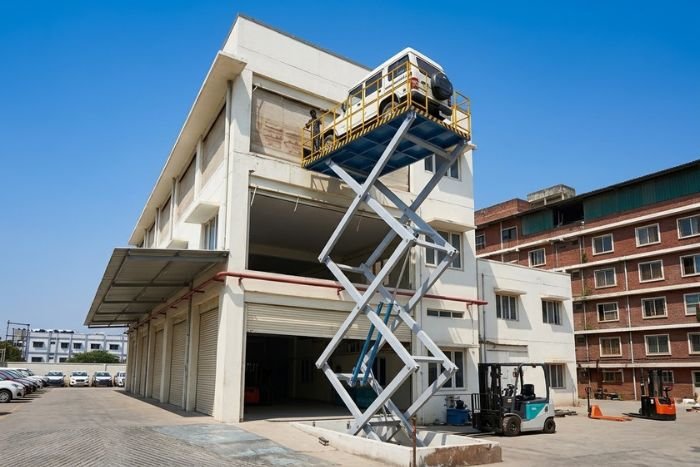
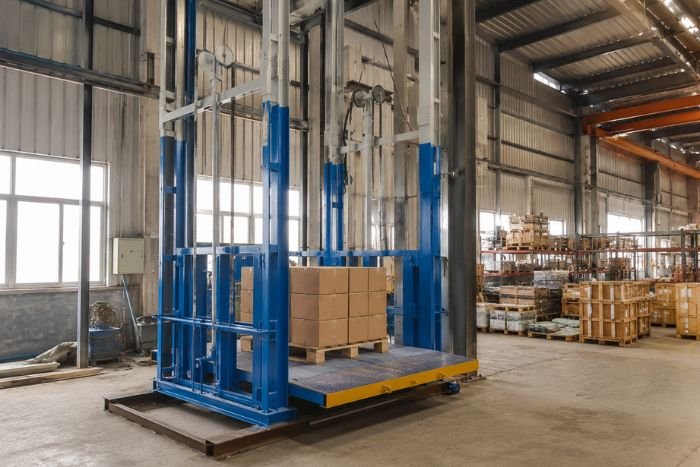
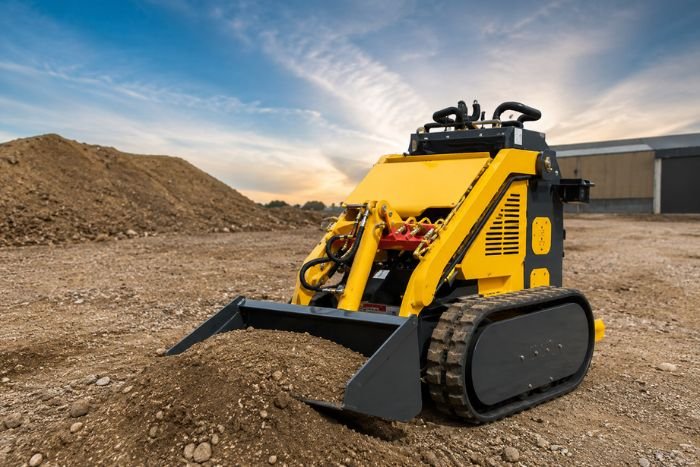
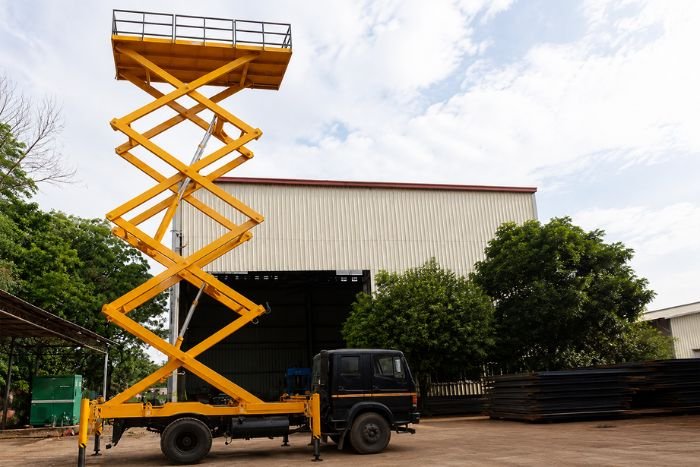
Along with Hydraulic Presses, Isha Engineering’s industrial equipment portfolio includes Scissor Lifts, Goods Lifts, Filter Presses, Baling Presses, Truck Tipplers, Dock Levelers, Mini Skid Steers, and other material-handling solutions.
Conclusion
The wide range of hydraulic press applications across different industries demonstrates why these machines remain important in modern manufacturing.
From automotive and metal fabrication to engineering, agricultural equipment, appliance manufacturing, and maintenance workshops, hydraulic presses can support forming, bending, straightening, punching, fitting, compression, and assembly processes.
The key to getting the best performance is selecting a press according to the actual application rather than choosing equipment based only on capacity.
For industries requiring standard or customized hydraulic press machines, Isha Engineering and Co. provides engineering solutions developed around different industrial production requirements.