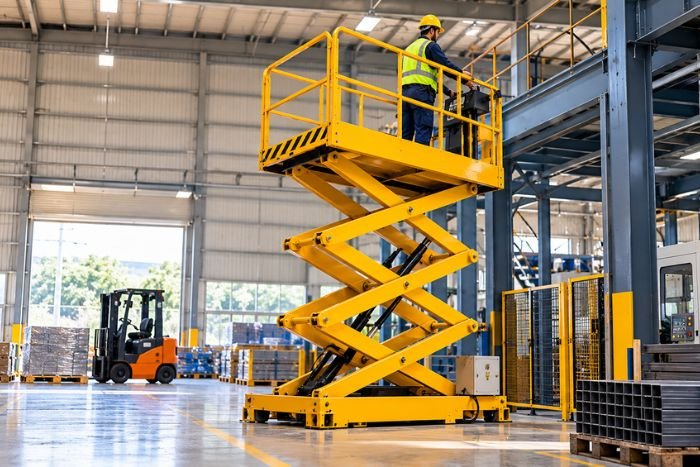
If you are running a factory or warehouse, you already know how much time goes into moving heavy materials from one place to another. Sometimes, even a simple lifting job can slow down the whole production process.
This is where a Scissor Lift can make your work easier.
But here’s one thing to remember. Not every scissor lift will suit every factory. The equipment used in a small assembly unit may not be suitable for a heavy engineering company.
So, how do you choose the right one?
At Isha Engineering and Co., Coimbatore, we understand that every industry has its own lifting requirements. Here are a few important things worth checking before making your purchase.
What Exactly Is a Scissor Lift?
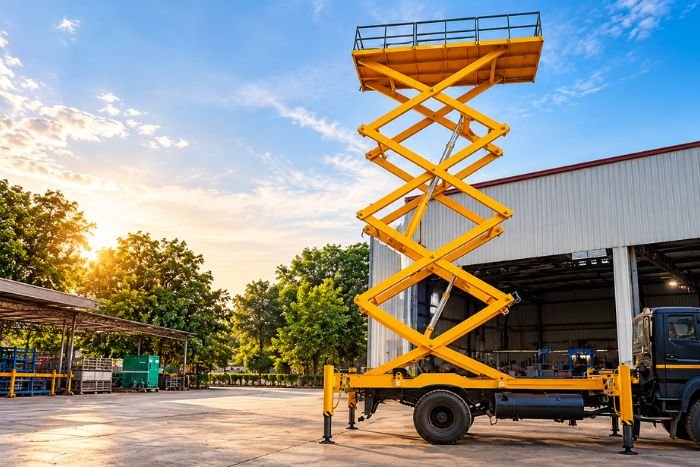
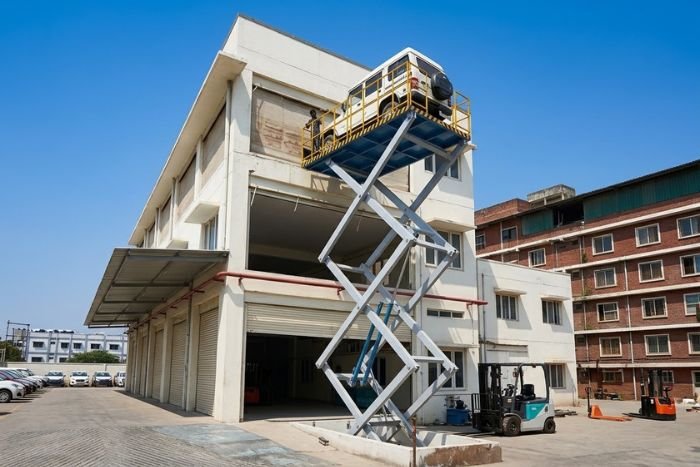
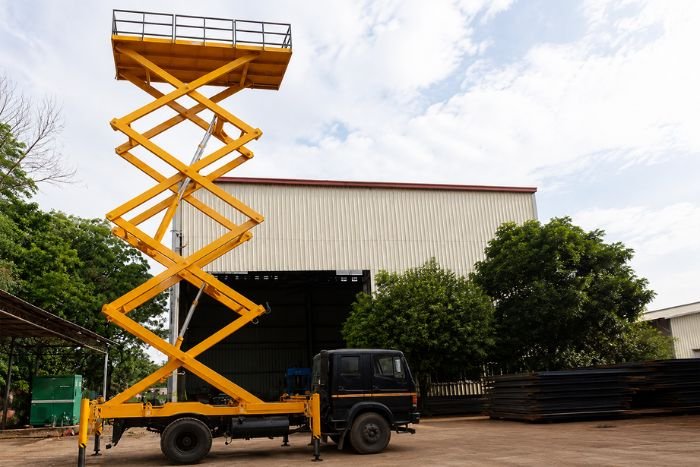
A scissor lift is a platform that moves up and down using crossed metal supports. In a hydraulic model, the hydraulic system provides the power needed to raise and lower the platform.
You will commonly find these lifts in manufacturing units, warehouses, assembly lines, and industrial maintenance areas.
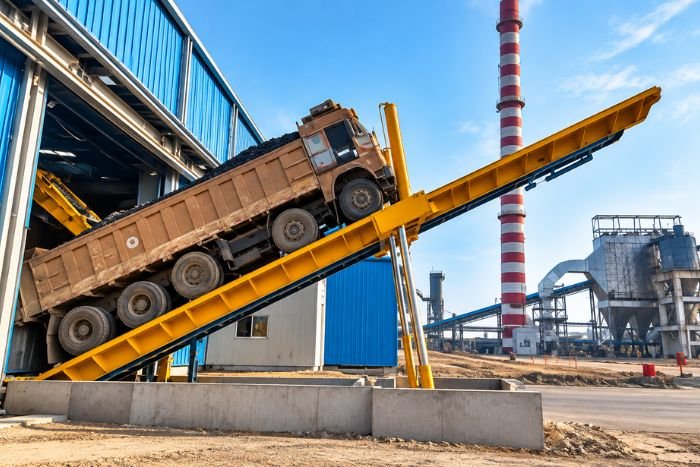
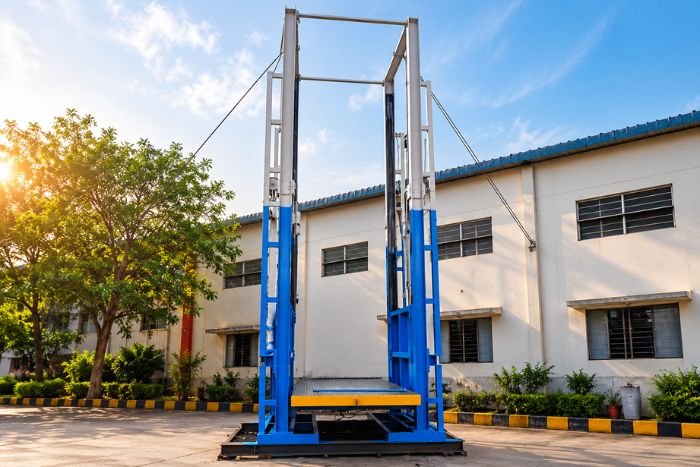
There are different options available, including Hydraulic Scissor Lifts, Heavy-Duty Scissor Lifts, High-Rise Scissor Lifts, and customized models.
The right choice depends on what you need to lift and where you plan to use it.
1. Start with the Weight You Need to Lift
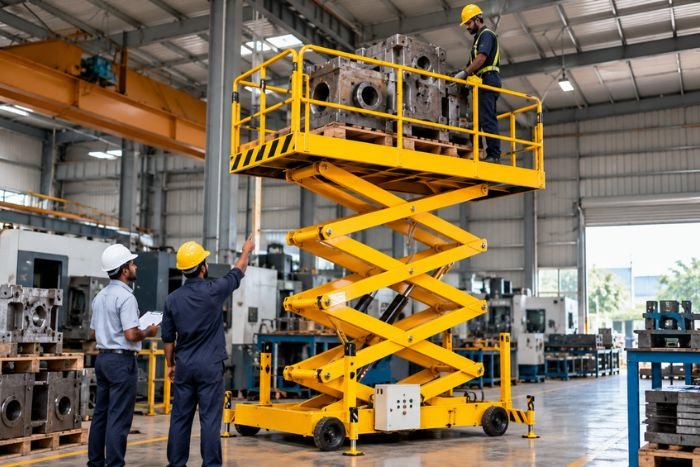
Before looking at different models, check the weight of the materials you handle regularly.
For example, a small fabrication workshop may need to lift machine components weighing a few hundred kilograms. A larger manufacturing unit may handle much heavier loads.
Both businesses need lifting equipment, but their capacity requirements are different.
Make sure you calculate the maximum expected weight, not just the average load. The selected lift must have a suitable rated capacity.
2. How High Should the Lift Go?
This is another question you should answer before buying.
Are you lifting materials to a workbench height? Or do you need to move goods to a higher loading platform?
A lift that works perfectly for one job may not provide enough height for another.
Measure the required lifting height properly. If your work involves greater vertical movement, a High-Rise Scissor Lift may be worth considering.
3. Don’t Forget the Platform Size
Imagine buying a scissor lift with enough lifting capacity, only to find that your regular materials don’t fit properly on the platform.
It’s an avoidable problem, but it can happen when platform dimensions are overlooked.
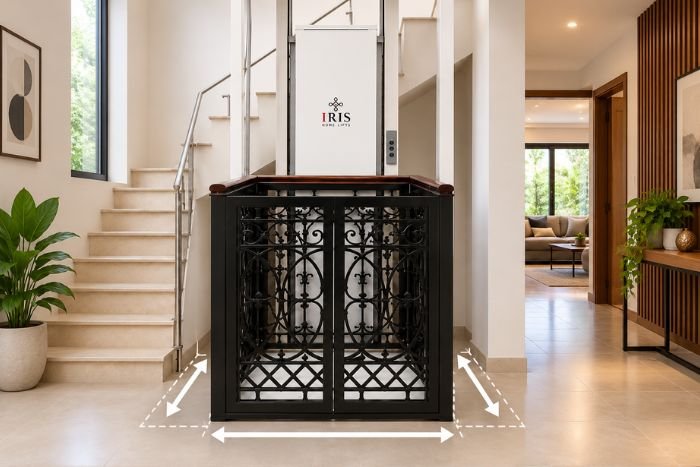
Measure the length and width of your pallets, machinery parts, or other loads before finalizing the lift.
If standard sizes don’t match your requirements, you can explore a Customized Scissor Lift.
4. Pit-Mounted or Floor-Mounted: Which Is Better?
Both models have their advantages.
Pit-Mounted Scissor Lift
A pit-mounted lift is installed inside a prepared floor pit. Depending on the design, its platform can sit level with the surrounding floor when lowered.
This can make loading materials more convenient.
Floor-Mounted Scissor Lift
A floor-mounted model is installed on a suitable existing floor surface.
It may be useful when you don’t want to construct a pit or when the building layout makes pit installation difficult.
The better option depends on your available space and daily loading activities.
5. Think About Your Everyday Work
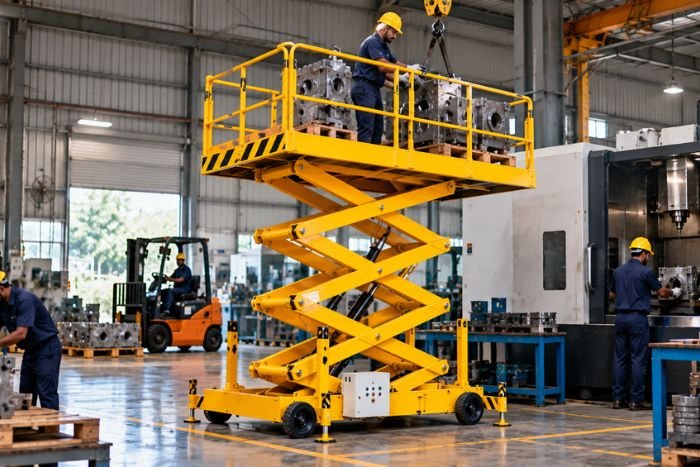
Before choosing a scissor lift, consider what happens inside your factory on a normal working day.
Are workers moving raw materials? Positioning machine parts? Loading finished products?
For instance, an assembly unit may need a lift to position components at a convenient working height. A warehouse may require a different platform arrangement for loading goods.
Common applications include material handling, machine assembly, warehouse loading, production lines, and industrial maintenance.
Explain your daily work clearly to the manufacturer. It helps them understand what kind of equipment you actually need.
6. Consider Your Factory Environment
A scissor lift used inside a clean assembly unit faces different conditions from one operating in a dusty or outdoor industrial area.
Check the floor condition, available space, surrounding machinery, moisture exposure, and electrical supply.
These details may look small initially, but they matter when selecting equipment for regular use.
7. Safety Should Come First
When heavy materials are involved, safety cannot be an afterthought.
Depending on the application, a scissor lift may need emergency stop controls, limit switches, safety barriers, mechanical locks, or overload protection.
Also, a material-only scissor lift should never be used to carry people.
Make sure the equipment is suitable for its intended purpose and that operators receive proper training.
8. How Often Will You Use the Lift?
Some factories use a scissor lift only a few times a day. Others may operate it repeatedly throughout a production shift.
Naturally, the equipment requirements will be different.
Tell the manufacturer how many lifting cycles you expect, your working hours, and the loads you regularly handle.
This information helps determine a suitable hydraulic system and machine configuration.
9. Should You Choose a Customized Scissor Lift?
Standard scissor lifts are suitable for many industrial applications.
But suppose your factory has limited floor space, unusually shaped materials, or a specific lifting height requirement.
In that case, a Customized Hydraulic Scissor Lift may be a better fit.
You can discuss the platform size, capacity, lifting height, and installation arrangement according to your workplace.
10. Ask About Maintenance Before Buying
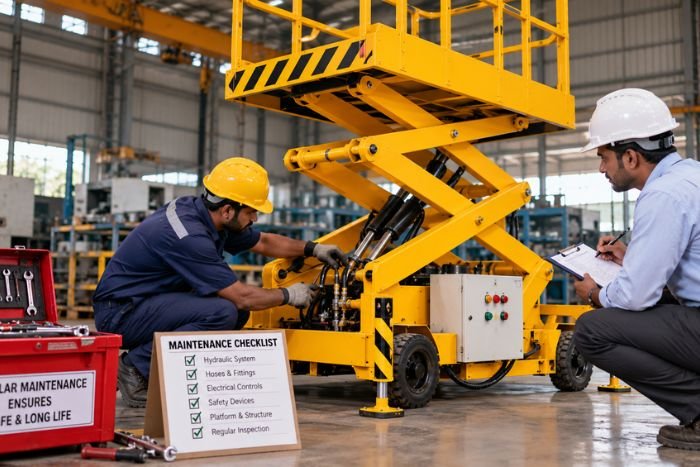
A scissor lift is not something you purchase for just a few months. It is equipment you expect to use regularly over the years.
So, check the maintenance requirements and available technical support before making your decision.
Regular inspections can help identify hydraulic leaks, worn components, or unusual movement early.
Always leave technical repairs to trained service personnel.
Why Choose Isha Engineering and Co.?
Every factory works differently. That’s why choosing equipment based on your actual requirements makes more sense than simply selecting a standard model.
Isha Engineering and Co., based in Coimbatore, provides industrial hydraulic lifting solutions, including Heavy-Duty Scissor Lifts, High-Rise Scissor Lifts, Pit-Mounted Scissor Lifts, Floor-Mounted Scissor Lifts, and customized equipment.
Whether you operate a warehouse, manufacturing unit, or engineering workshop, you can discuss your load capacity, lifting height, platform dimensions, and installation requirements to find a suitable solution.
Frequently Asked Questions
How do I know which scissor lift capacity I need?
Start by checking the maximum weight you plan to lift. Include the materials and other permitted loads when calculating capacity.
Can I install a scissor lift in an existing factory?
Yes, depending on the available space, floor conditions, installation requirements, and selected lift design.
Is a customized scissor lift worth considering?
If your factory has specific dimensions, lifting heights, or loading requirements, a customized model may be more suitable than a standard one.
Conclusion
Choosing the right Scissor Lift becomes much easier when you understand what your factory actually needs.
Start with the load weight, lifting height, platform dimensions, and available space. Then consider daily usage, safety, and maintenance.
Rather than focusing only on the purchase price, choose equipment that fits your work and supports your long-term operations.
For businesses looking for a reliable Scissor Lift manufacturer in Tamil Nadu, Isha Engineering and Co., Coimbatore, provides hydraulic lifting solutions for different industrial applications.