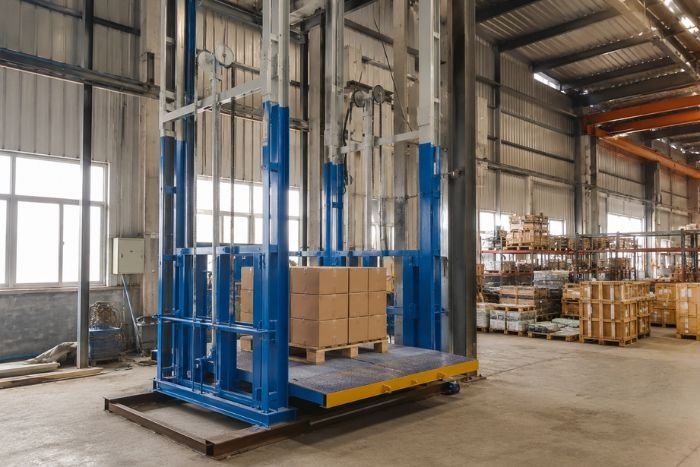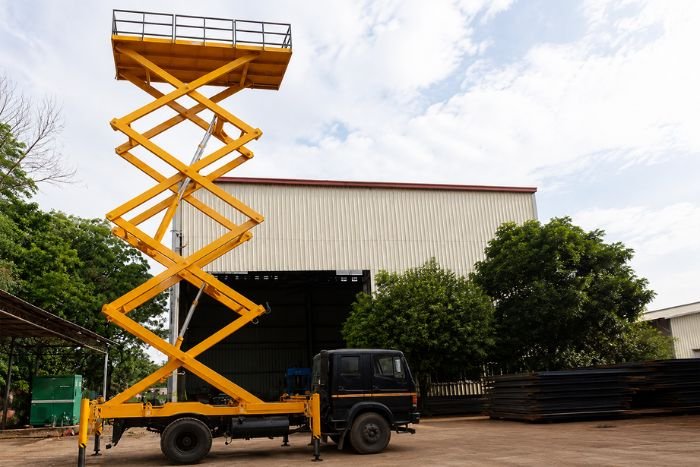
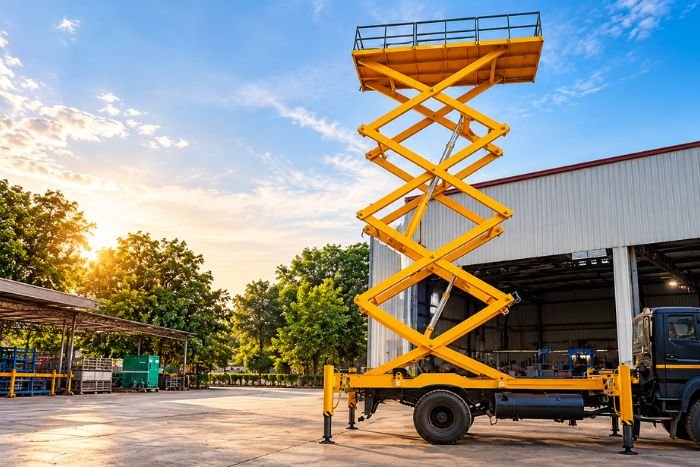
An Industrial Scissor Lift can make material movement, maintenance, assembly, loading, and height-related industrial work more efficient. However, choosing the right equipment involves much more than comparing prices or selecting a lifting capacity.
Load weight, lifting height, platform dimensions, installation type, operating frequency, and working environment can all affect which model is suitable. Businesses searching for a reliable Scissor Lift manufacturer in Tamilnadu should first understand these requirements before making an investment.
Isha Engineering and Co., Coimbatore, provides hydraulic lifting and material handling solutions for different industrial applications.
What Is an Industrial Scissor Lift?
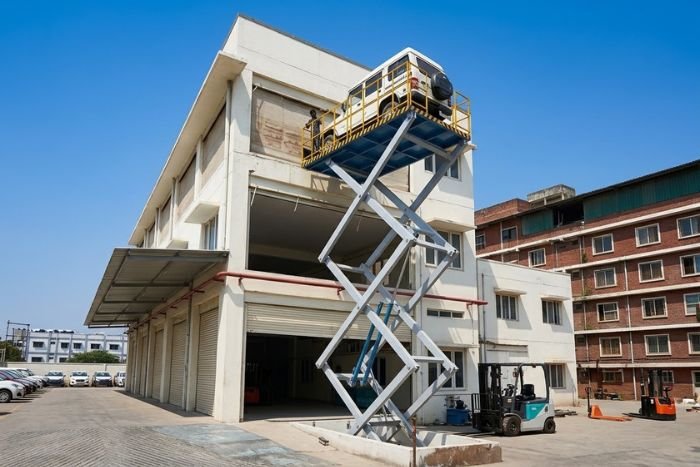
An Industrial Scissor Lift is a lifting platform that uses crossed supports arranged in a scissor-like mechanism to provide vertical movement.
Depending on the design, a Hydraulic Scissor Lift uses hydraulic power to extend the scissor mechanism and raise the platform.
Industrial Scissor Lifts can be used for:
- Material handling
- Production and assembly work
- Loading and unloading
- Warehouse operations
- Maintenance activities
- Moving suitable loads between working heights
- Industrial positioning applications
Choosing the correct lift starts with understanding exactly how it will be used.
1. Determine the Required Load Capacity
Load capacity should be one of the first considerations when buying a Scissor Lift.
Calculate the maximum weight expected on the platform during normal operation. Depending on the application, this may include materials, pallets, tools, equipment, and other permitted loads.
Do not choose a lift based only on your average load. The equipment should be appropriately rated for the maximum intended operating load.
The manufacturer’s rated capacity should never be exceeded.
2. Identify the Required Lifting Height
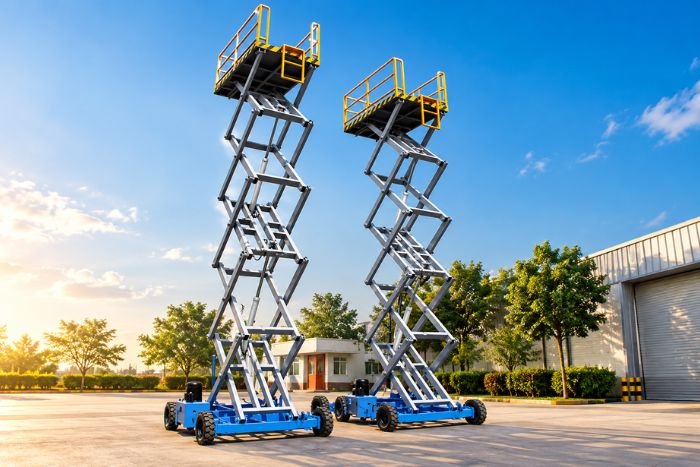
How high does the platform need to travel?
A Scissor Lift used for production-line positioning may need only a limited vertical movement, while another application may require significantly greater lifting height.
Measure the required:
- Lowest platform position
- Maximum platform height
- Total vertical travel
- Loading and unloading levels
Providing accurate measurements helps a Scissor Lift manufacturer recommend a suitable configuration.
3. Select the Right Platform Size
Platform dimensions are just as important as load capacity.
A platform that is too small may not accommodate the intended material safely, while an unnecessarily large platform may occupy valuable factory floor space.
Consider the dimensions of pallets, components, equipment, or materials that will regularly use the lift.
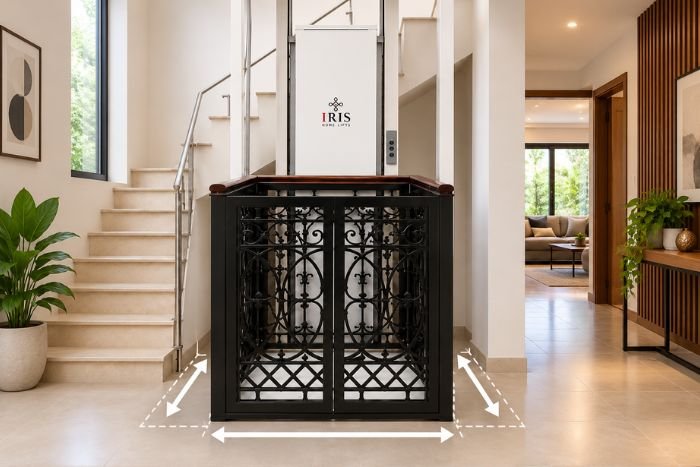
For customized industrial applications, platform length and width can be planned around the actual material-handling requirement.
4. Consider Pit-Mounted or Floor-Mounted Installation
Installation type can affect both operation and facility planning.
Pit-Mounted Scissor Lift
A pit-mounted Scissor Lift is installed within a prepared pit. Depending on the design, this can allow the lowered platform to align closely with the surrounding floor level.
This arrangement can be useful where convenient loading from floor level is required.
Floor-Mounted Scissor Lift
A floor-mounted lift is installed on an existing floor surface where suitable.
It may reduce the need for a dedicated pit, but access arrangements and platform height in the lowered position need to be considered.
The right choice depends on the building layout, application, loading method, and available space.
5. Understand the Operating Frequency
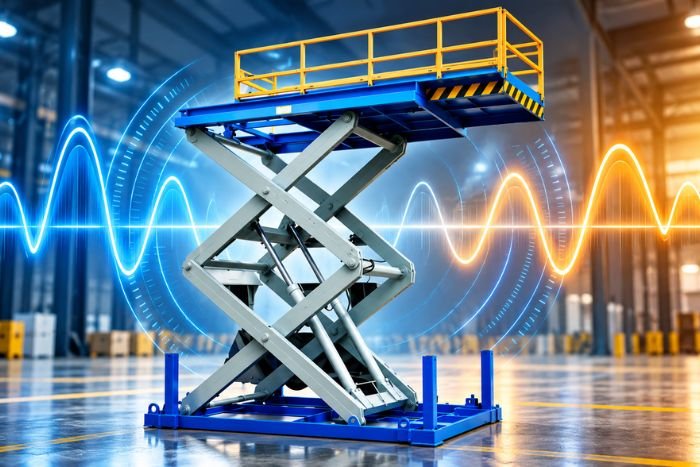
How often will your Industrial Scissor Lift operate?
A lift used a few times each day has different duty requirements from one performing repeated lifting cycles throughout a production shift.
Before purchasing, estimate:
- Number of daily cycles
- Operating hours
- Average load
- Maximum load
- Peak usage periods
- Expected working conditions
This information helps determine a suitable hydraulic and structural configuration.
6. Evaluate the Working Environment
The location where the Scissor Lift will operate can influence its design.
Indoor factory conditions can differ significantly from outdoor industrial environments.
Consider factors such as:
- Indoor or outdoor operation
- Dust and contaminants
- Moisture exposure
- Temperature conditions
- Floor condition
- Available operating space
- Nearby machinery
- Vehicle and worker movement
Inform the manufacturer about the actual environment rather than selecting a generic machine without considering site conditions.
7. Check Important Safety Features
Industrial lifting equipment should be selected with appropriate safety provisions for its intended application.
Depending on the design, safety arrangements may include emergency stop controls, limit switches, guards, barriers, overload-related provisions, anti-skid platform surfaces, and other application-specific features.
Operators should also receive appropriate training and follow manufacturer instructions.
A proper site and application assessment is important for determining which safety provisions are required.
8. Standard vs Customized Scissor Lift
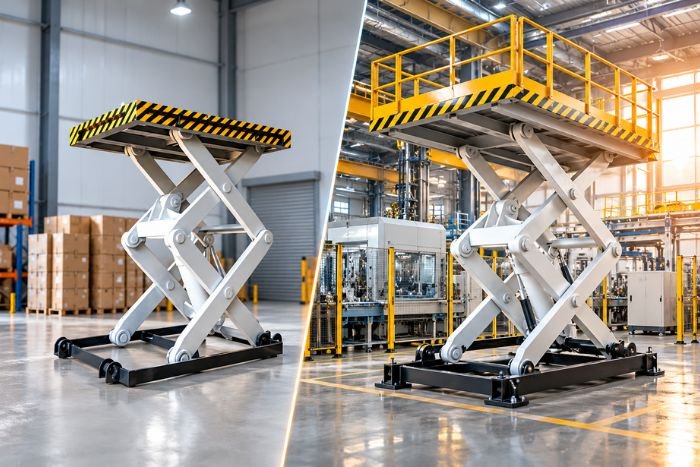
Standard lifting equipment can work well for common applications, but industrial facilities often have unique requirements.
A customized Scissor Lift may be more appropriate when you need:
- Special load capacity
- Specific platform dimensions
- Non-standard lifting height
- Restricted installation space
- Particular loading arrangements
- Integration with existing production systems
Customization allows the lift to be developed around your workflow rather than forcing your operations to adapt to unsuitable equipment.
Why Choose Isha Engineering and Co.?
Isha Engineering and Co. in Coimbatore provides hydraulic lifting and industrial material handling solutions for different applications.
Businesses searching for a Scissor Lift manufacturer in Tamilnadu can discuss their required load capacity, lifting height, platform size, operating frequency, installation conditions, and customization requirements to identify an appropriate solution.
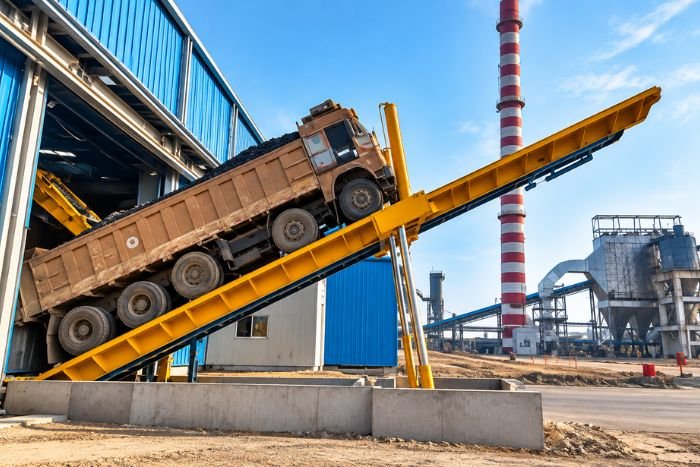
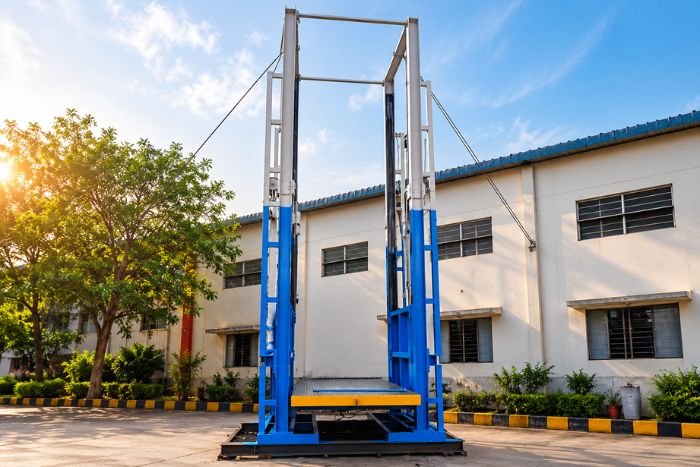
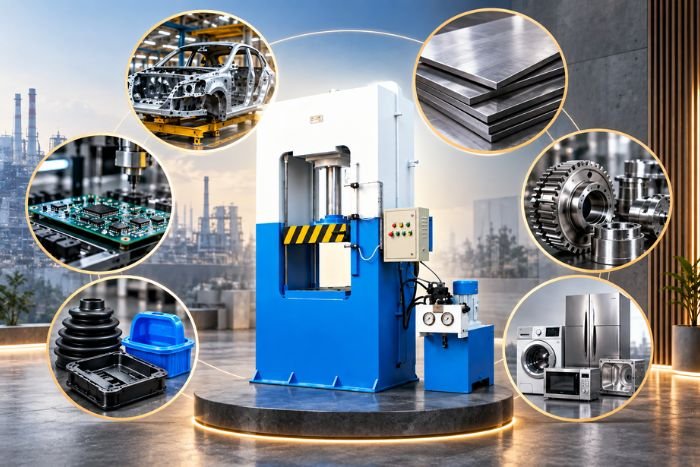
Isha Engineering’s industrial product range also includes Goods Lifts, Hydraulic Presses, Filter Presses, Baling Presses, Truck Tipplers, Dock Levelers, Aerial Work Platforms, and other material handling equipment.
Conclusion
Buying the right Industrial Scissor Lift requires careful consideration of capacity, lifting height, platform dimensions, installation type, operating frequency, working environment, safety, and maintenance.
Taking time to define these requirements before purchasing can help you choose equipment that fits naturally into your industrial workflow.
For businesses looking for a Scissor Lift manufacturer in Tamilnadu, Isha Engineering and Co. provides hydraulic lifting solutions developed for different industrial material handling requirements.