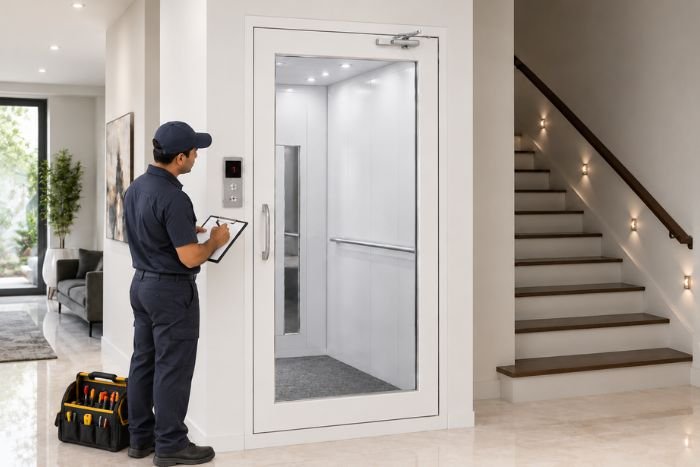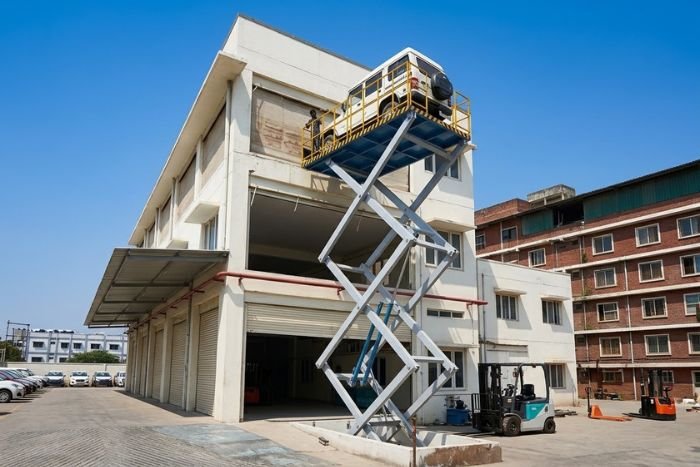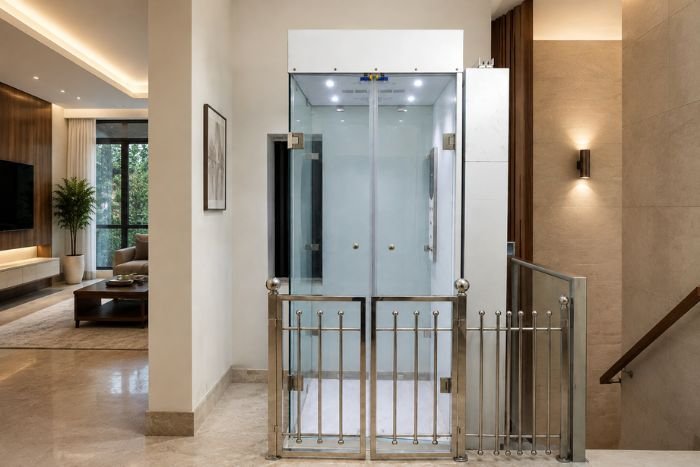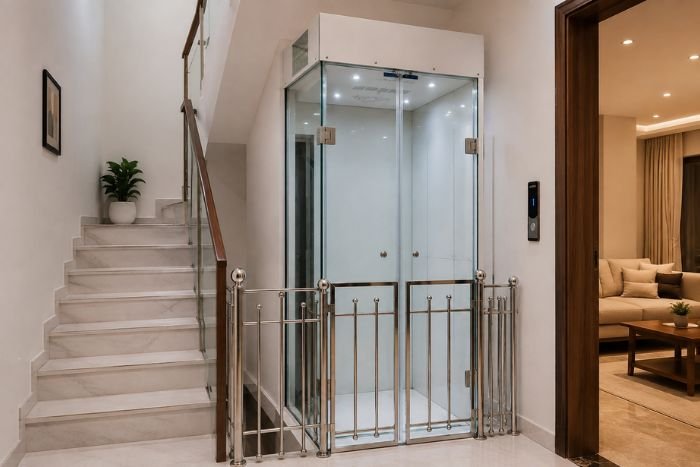
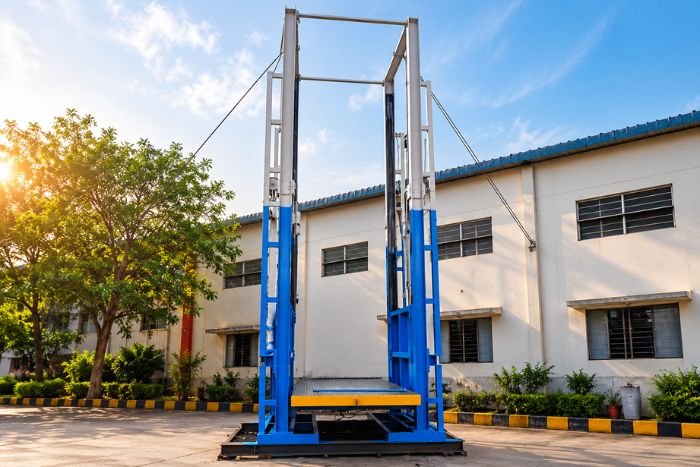
Moving heavy materials between floors is a common challenge in factories, warehouses, production units, and storage facilities. Depending only on manual handling can slow down operations and expose workers to unnecessary lifting and carrying tasks. A Hydraulic Goods Lift provides a practical way to move materials vertically between different levels.
For businesses searching for a reliable Hydraulic Goods Lifts manufacturer in Tamilnadu, choosing the right lift based on load capacity, lifting height, platform size, operating frequency, and site conditions is important.
Isha Engineering and Co., Coimbatore, provides hydraulic lifting and material handling solutions for different industrial requirements.
What Is a Hydraulic Goods Lift?
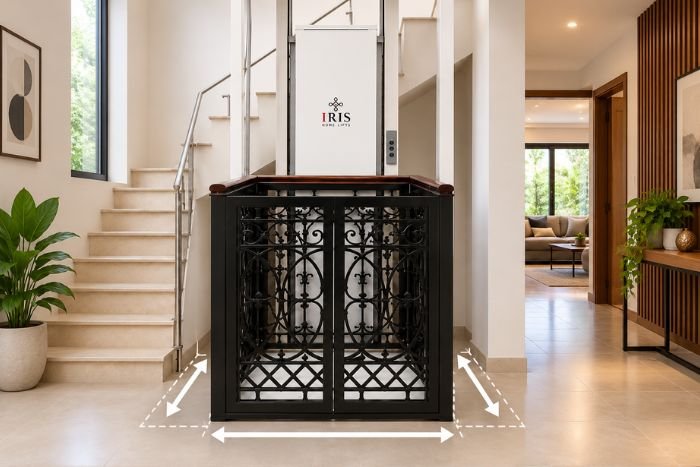
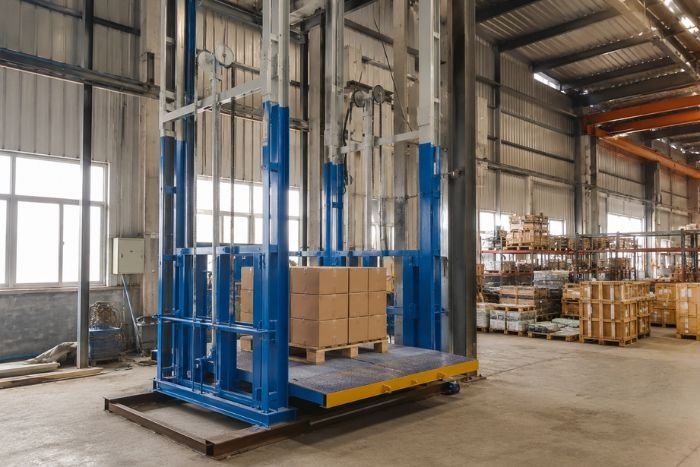
A Hydraulic Goods Lift is an industrial lifting system designed primarily to transport goods and materials vertically between floors or working levels.
The hydraulic system generates the force required to raise and lower the platform or cabin. Depending on the application, these lifts can be designed for different capacities, platform dimensions, travel heights, and installation requirements.
They are commonly used for moving:
- Raw materials
- Finished products
- Pallets and cartons
- Machine components
- Tools and equipment
- Industrial supplies
A correctly selected goods lift can become an important part of an organized material handling system.
How Does a Hydraulic Goods Lift Work?
A hydraulic goods lift uses hydraulic power to create controlled vertical movement.
Hydraulic Power Generation
A hydraulic power unit supplies pressurized fluid to the lifting system. This hydraulic pressure produces the force needed to move the lift.
Vertical Movement
The hydraulic mechanism raises the platform or cabin to the required floor or level.
The exact arrangement varies according to the design, capacity, travel height, and intended application.
Loading and Unloading
Once the platform reaches the required level and is correctly positioned, materials can be loaded or unloaded according to the operating procedure.
The cycle can then be repeated whenever materials need to move between floors.
How Do Hydraulic Goods Lifts Improve Workplace Safety?
Industrial material movement requires careful planning. A Hydraulic Goods Lift for industrial use can reduce the need for workers to manually carry suitable loads between different levels.
1. Reduces Manual Lifting
Repeatedly carrying heavy materials can be physically demanding.
Using a goods lift allows suitable loads to be transported vertically by equipment rather than relying mainly on workers to lift and carry them between floors.
This helps businesses create a more organized material movement process.
2. Provides Controlled Vertical Movement
Hydraulic lifting systems provide controlled movement when properly designed, operated, and maintained.
Instead of using unsuitable methods to move heavy materials between levels, businesses can use dedicated equipment designed for the required load and travel height.
3. Keeps Material Movement Organized
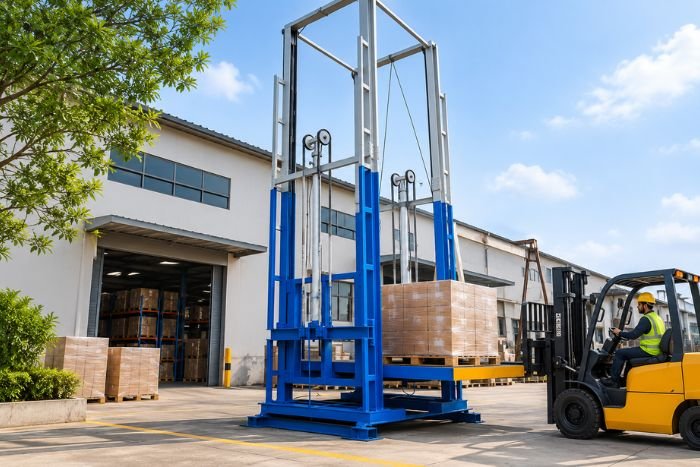
A designated goods lift creates a defined route for vertical material transportation.
For example:
Ground Floor Storage → Hydraulic Goods Lift → First Floor Production → Finished Goods Area
This can help separate material movement from other activities within a facility and make workflow planning easier.
4. Supports Application-Specific Safety Features
Depending on the design and installation, an industrial goods lift can incorporate appropriate gates, interlocks, emergency controls, limit switches, enclosures, overload-related provisions, and other safety arrangements.
The required features should be determined according to the application and applicable safety requirements.
How Do Hydraulic Goods Lifts Improve Efficiency?
Safety is only one reason businesses install goods lifts. They can also improve everyday material handling efficiency.
1. Faster Movement Between Floors
Moving goods manually between different levels can consume valuable production time.
A hydraulic goods lift provides a dedicated method for vertical transportation, helping materials reach the required floor without unnecessary manual carrying.
This can be especially useful in facilities where materials move between floors frequently.
2. Supports Higher Material Loads
Industrial operations often need to move heavy components, pallets, or batches of products.
A heavy-duty goods lift can be designed according to the required load capacity, allowing businesses to move suitable industrial loads efficiently.
The rated capacity should always match the intended application and must never be exceeded.
3. Improves Production Workflow
Production efficiency depends on materials reaching the right location at the right time.
Consider a multi-floor manufacturing facility:
Raw Material → Production → Assembly → Packaging → Storage
If these stages are located on different floors, inefficient vertical movement can create delays.
A properly positioned Hydraulic Goods Lift can connect these areas and support smoother material flow.
4. Helps Utilize Vertical Space
Industrial land and floor space can be expensive. Businesses often expand operations vertically rather than increasing the building footprint.
Warehouses may store materials on multiple levels, while factories can have production, storage, and packaging areas on different floors.
Installing a Goods Lift for warehouse and factory use makes these upper levels more practical for regular material movement.
Where Are Hydraulic Goods Lifts Used?
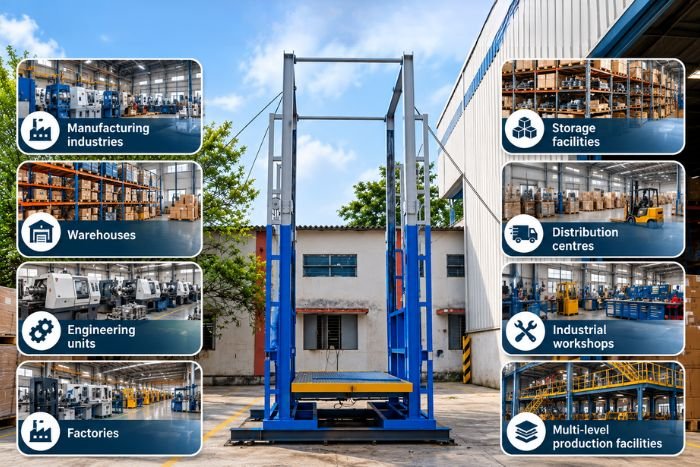
Hydraulic Goods Lifts can be suitable for many commercial and industrial environments, depending on the specific lift design.
Common applications include:
- Manufacturing industries
- Warehouses
- Engineering units
- Factories
- Storage facilities
- Distribution centres
- Industrial workshops
- Multi-level production facilities
Each application should be evaluated individually because load capacity, platform size, travel height, operating frequency, and installation conditions can vary significantly.
How to Choose the Right Hydraulic Goods Lift
Businesses looking for a Hydraulic Goods Lifts manufacturer in Tamilnadu should clearly define their requirements before selecting equipment.
Load Capacity
Calculate the maximum expected load, including the materials, pallets, containers, or equipment that will be transported.
Lifting Height
Determine the total vertical travel and number of floors the lift needs to serve.
Platform Size
The platform should accommodate the dimensions of the materials being transported while meeting the equipment design requirements.
Operating Frequency
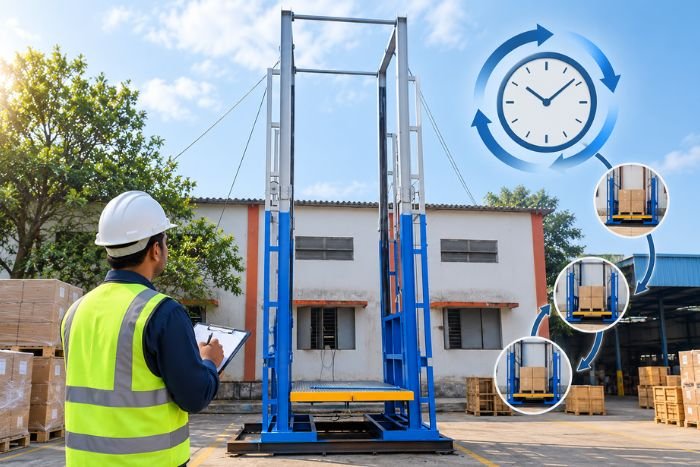
A lift used occasionally has different duty requirements from one operating repeatedly throughout a production shift.
Installation Space
Available shaft or installation area, floor openings, loading direction, surrounding structures, and access should be considered during planning.
Safety Requirements
Discuss gates, controls, enclosures, interlocks, emergency provisions, and other application-specific requirements with the manufacturer.
Standard vs Customized Hydraulic Goods Lifts
Not every factory or warehouse has the same layout.
A customized Hydraulic Goods Lift may be appropriate when businesses require special platform dimensions, load capacities, lifting heights, loading directions, or installation arrangements.
Customization allows the equipment to be planned around the actual facility instead of forcing the facility to adapt to unsuitable standard equipment.
Why Choose Isha Engineering and Co.?
Isha Engineering and Co. in Coimbatore provides hydraulic lifting and material handling equipment for industrial applications.
Businesses looking for a Hydraulic Goods Lifts manufacturer in Tamilnadu can discuss their load capacity, platform size, lifting height, operating frequency, installation space, and application requirements to determine a suitable solution.
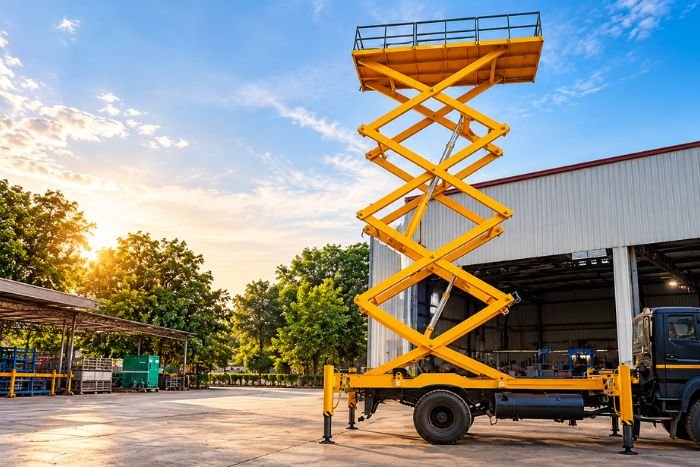
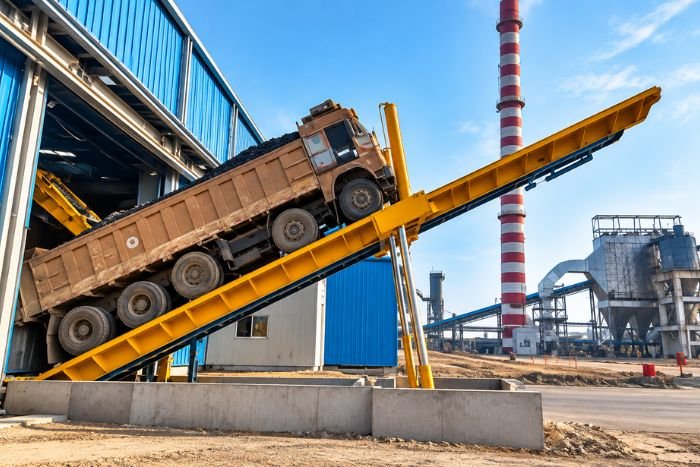
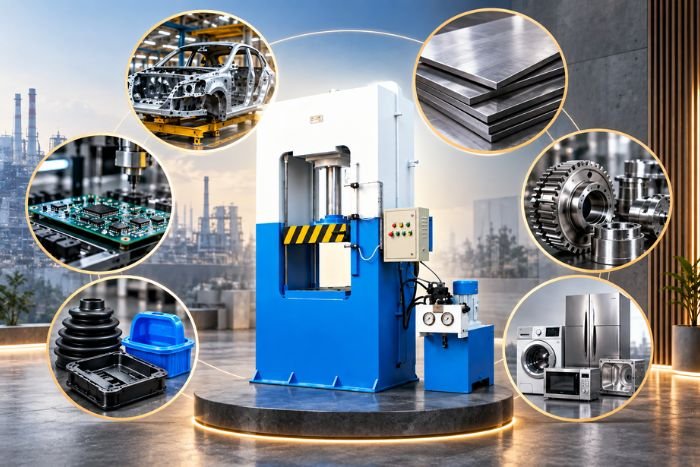
The company’s industrial equipment range also includes Scissor Lifts, Hydraulic Presses, Filter Presses, Baling Presses, Truck Tipplers, Dock Levelers, Aerial Work Platforms, and other material handling solutions.
Conclusion
A Hydraulic Goods Lift can improve industrial material handling by reducing unnecessary manual lifting, providing controlled vertical transportation, improving workflow, and making better use of multi-level facilities.
Selecting the right lift requires careful consideration of capacity, platform size, travel height, usage frequency, installation conditions, and safety requirements.
For industries searching for a Hydraulic Goods Lifts manufacturer in Tamilnadu, Isha Engineering and Co. provides hydraulic material handling solutions based on different industrial application needs.