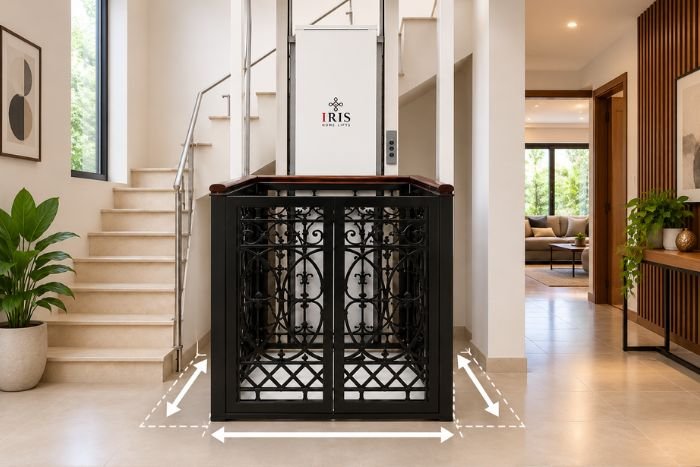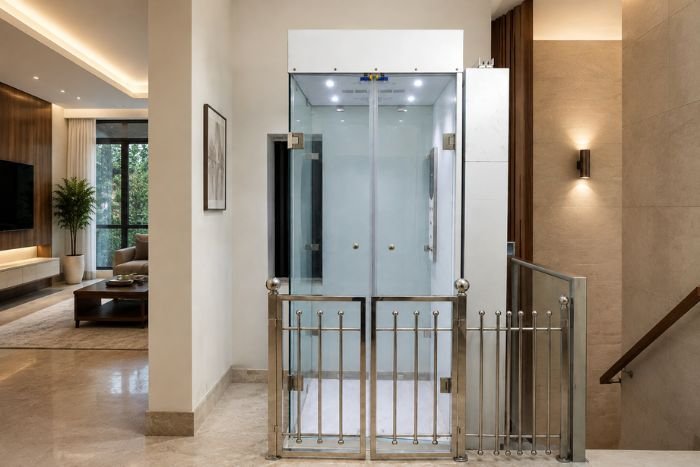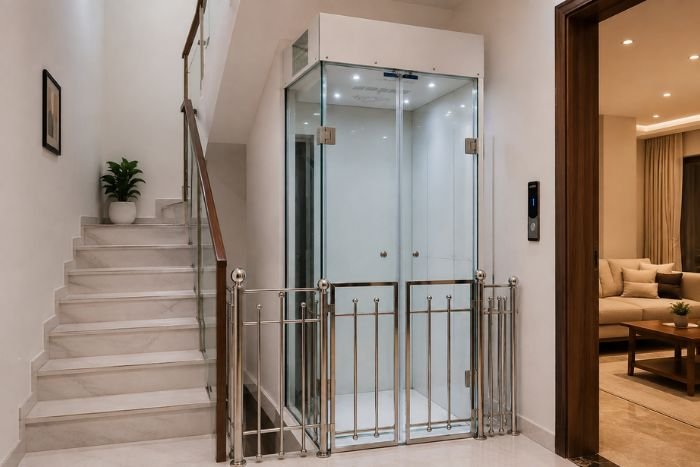
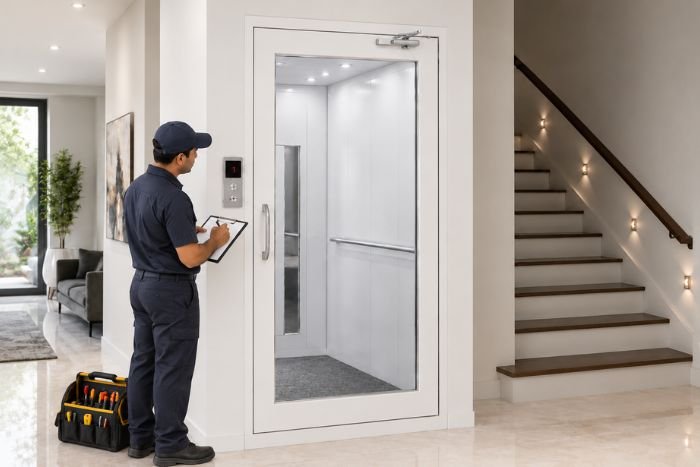
A home lift adds comfort, accessibility, and convenience to a multi-storey house. Whether it is used by elderly family members, people with limited mobility, or for everyday movement between floors, homeowners expect their residential lift to operate smoothly whenever needed.
Like any mechanical and electrical system, a home lift requires regular inspection and preventive maintenance. Proper home lift maintenance can help identify wear, unusual operation, or component issues before they develop into larger problems. It can also support reliable performance and help maintain the lift according to the manufacturer’s specifications.
For homeowners using or considering IRIS Home Lifts by Isha Engineering and Co., following a practical maintenance routine is an important part of long-term lift ownership.
Why Is Home Lift Maintenance Important?
Residential lifts contain mechanical, electrical, control, and safety-related components that work together every time the lift operates.
Regular maintenance helps ensure these systems continue functioning as intended. It can also help technicians identify components that require adjustment, cleaning, lubrication, repair, or replacement.
The main benefits of scheduled residential lift maintenance include:
- Smoother lift operation
- Early identification of potential problems
- Reduced risk of unexpected breakdowns
- Better reliability
- Longer service life of components
- Consistent operation of safety systems
- Improved user confidence
Maintenance requirements vary according to the lift design, usage frequency, operating environment, and manufacturer’s recommendations.
1. Check Lift Movement Regularly
One of the easiest things homeowners can observe is how the lift moves.
During normal operation, pay attention to whether the lift starts, travels, stops, and levels as expected. Unusual vibration, jerking, delayed movement, or changes in operating sound should not be ignored.
If the lift suddenly begins behaving differently from its normal operation, contact an authorized or qualified service technician.
Avoid attempting to adjust mechanical, electrical, or hydraulic components yourself.
2. Inspect the Lift Doors and Gates
Doors are used every time someone enters or exits a home lift, making them an important part of routine observation.
Check whether doors open and close smoothly and whether anything is obstructing their movement.
Depending on the lift configuration, a technician may need to inspect door mechanisms, switches, interlocks, sensors, alignment, and related components during scheduled servicing.
Never force a lift door that is not operating correctly. Arrange professional inspection instead.
3. Keep the Cabin Clean
Basic cleanliness can contribute to better everyday lift operation.
Dust, dirt, small objects, and debris can accumulate around the cabin floor, entrance, door tracks, or nearby areas. Keep these spaces clean and remove anything that may interfere with normal access or door movement.
When cleaning the cabin, use materials suitable for its surfaces and follow the manufacturer’s instructions.
Avoid allowing excessive water or cleaning liquids to enter electrical controls, switches, or other sensitive components.
4. Check Control Buttons
Home lift controls should respond consistently during normal use.
Periodically observe floor selection buttons, door controls, indicators, and other user-operated functions. If a button becomes loose, damaged, unresponsive, or inconsistent, arrange an inspection.
Homeowners should not remove control panels or attempt electrical repairs.
Electrical and control-system maintenance should always be performed by appropriately trained technicians.
5. Test Emergency Features as Recommended
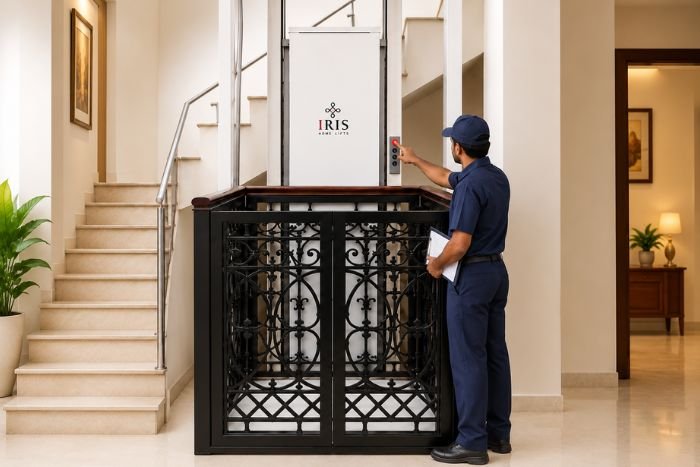
Emergency provisions are an important part of a residential lift.
Depending on the model, a home lift safety system may include emergency controls, alarms, backup arrangements, emergency lowering functions, or other features.
These systems should be inspected and tested according to the manufacturer’s service instructions.
Homeowners should also understand the correct procedure to follow if the lift stops unexpectedly. Keep the manufacturer’s or service provider’s contact details easily accessible to family members.
6. Watch for Unusual Sounds
Homeowners become familiar with the normal sound of their lift over time.
If you begin hearing unusual grinding, scraping, knocking, excessive vibration, or other unfamiliar sounds, stop treating them as normal simply because the lift continues to operate.
Unusual sounds may indicate that a component requires professional attention.
Report the change to the service team and explain when the sound occurs—for example, during starting, travelling, stopping, or door operation.
This information can help technicians diagnose the issue.
7. Never Exceed the Rated Load Capacity
Every residential lift has a specified load capacity.
Overloading can place unnecessary stress on lift components and may affect safe operation. Users should understand the rated capacity and follow the manufacturer’s operating instructions.
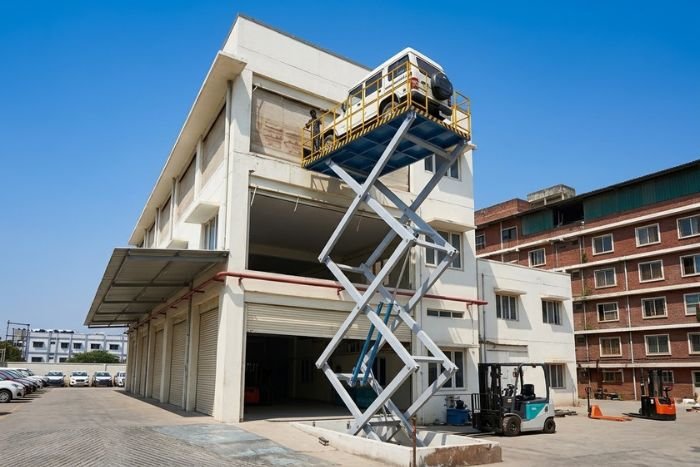
Avoid treating a residential home lift as an unrestricted goods elevator. Only carry loads permitted by the lift manufacturer and within the specified capacity.
If your household requirements change significantly, consult the manufacturer rather than assuming the lift can handle additional weight.
8. Keep Lift Entrances Clear
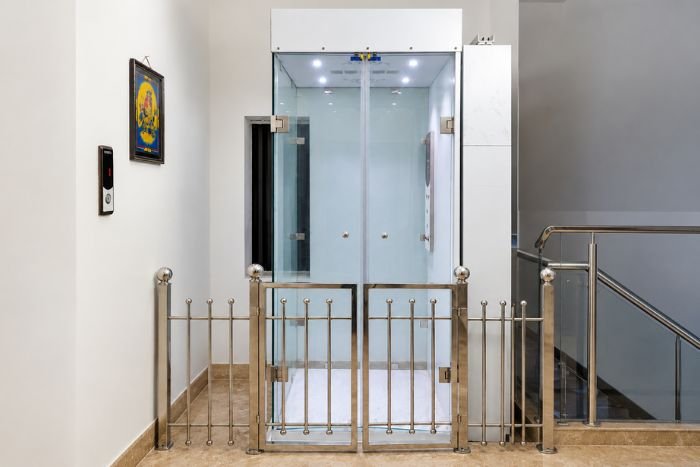
The area around each lift entrance should remain accessible and free from obstruction.
Furniture, footwear, storage boxes, decorative items, and other household objects should not interfere with entry, exit, or door movement.
This becomes particularly important when the home lift is used by elderly people or wheelchair users.
Maintaining a clear approach to the lift makes everyday access easier and reduces unnecessary obstacles around the entrance.
9. Schedule Professional Preventive Maintenance
Visual checks by homeowners are useful, but they do not replace professional servicing.
A qualified technician can inspect components that homeowners cannot safely evaluate themselves. Depending on the lift design, professional maintenance may include checking mechanical systems, electrical connections, controls, safety devices, drive components, lubrication points, doors, and other equipment.
The appropriate home lift service schedule should follow the manufacturer’s recommendations and applicable requirements.
Usage also matters. A lift that operates frequently may have different servicing needs from one that is used only occasionally.
10. Check Backup Power Arrangements
Power interruptions are an important consideration for residential lifts.
If your home lift includes a battery backup, automatic lowering system, or another power-failure arrangement, it should be maintained according to the manufacturer’s instructions.
Backup batteries can deteriorate over time and may eventually require replacement.
Ask the service technician to check the condition and operation of the backup system during scheduled maintenance.
11. Pay Attention to Floor Levelling
When the lift arrives at a floor, its stopping position should be consistent with the system’s intended design.
If you notice a change in floor levelling, do not attempt to adjust the equipment yourself. Contact the service provider.
Correct floor access is particularly important in homes where the lift is used by elderly people, wheelchair users, or anyone with limited mobility.
12. Keep a Home Lift Maintenance Record

Maintaining a simple service record can make long-term lift ownership easier.
Record professional service dates, inspections, repairs, component replacements, and any unusual issues reported between services.
A maintenance history helps technicians understand previous work and can make it easier to identify recurring problems.
It also reminds homeowners when the next scheduled service is due.
Simple Home Lift Maintenance Checklist
Homeowners can use this basic checklist as a reminder:
- Check for smooth lift movement
- Observe doors and gates
- Keep the cabin and entrances clean
- Check user controls for normal response
- Watch for unusual noises or vibration
- Keep entrances free from obstacles
- Stay within the rated load capacity
- Follow emergency-system testing instructions
- Arrange scheduled professional servicing
- Check backup arrangements during service
- Report unusual floor levelling
- Maintain a service and repair record
These checks complement rather than replace professional maintenance.
When Should You Call a Home Lift Technician?
Contact a qualified technician if the lift develops unusual noises, excessive vibration, irregular movement, door problems, control issues, inaccurate stopping, repeated interruptions, or warning indications.
If you suspect a safety-related problem, discontinue use as appropriate and seek professional assistance rather than attempting a DIY repair.
Home lift systems include components that require specialized knowledge. Repairs should therefore be handled by trained personnel.
Why Choose IRIS Home Lifts?
IRIS Home Lifts by Isha Engineering and Co. provides residential lift solutions designed around different home layouts and accessibility requirements.
Homeowners can consider customizable configurations for different floor levels, available spaces, and residential requirements. Choosing the right home lift is only the beginning; proper usage and scheduled maintenance are equally important for dependable long-term operation.
Professional guidance during selection, installation, operation, and servicing helps homeowners get the best practical value from their residential lifting system.
Conclusion
Regular home lift maintenance is essential for maintaining smooth, reliable, and safe operation. Simple observations such as checking doors, controls, lift movement, cleanliness, and unusual noises can help homeowners identify potential problems early.
However, technical inspections and repairs should always be left to qualified professionals.
By following the manufacturer’s maintenance schedule, staying within the rated capacity, keeping accurate service records, and addressing unusual operation promptly, homeowners can help keep their lift dependable for everyday use.
For families considering a residential lifting solution, IRIS Home Lifts by Isha Engineering and Co. offers customizable options for making multi-storey homes more accessible and convenient.