If you run a factory or warehouse, you’ll know that moving heavy materials is part of everyday work. Sometimes it’s shifting machine components, sometimes loading finished goods, and sometimes lifting materials to another floor.
Doing all this manually is not always practical. It takes time, requires physical effort, and can slow down production.
That’s where Hydraulic Material Handling Equipment comes in.
But with so many machines available, how do you know which one is right for your factory?
Before spending money on new equipment, there are a few things worth understanding.
What Is Hydraulic Material Handling Equipment?
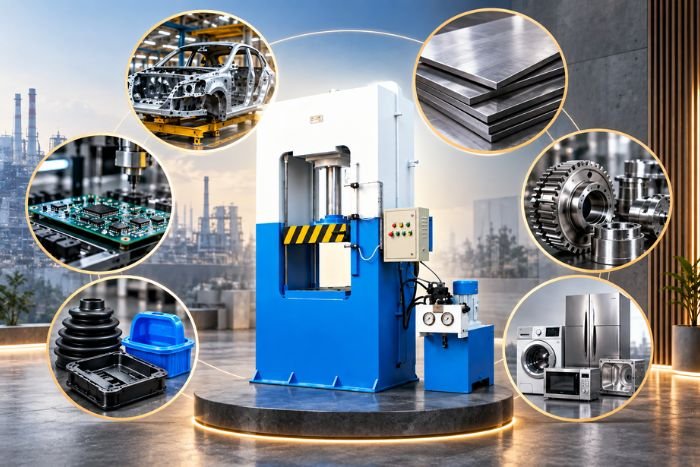
Hydraulic material handling equipment uses pressurized hydraulic fluid to generate force for lifting, lowering, tilting, or positioning heavy loads.
You can find these machines in engineering workshops, manufacturing units, warehouses, loading areas, and industrial plants.
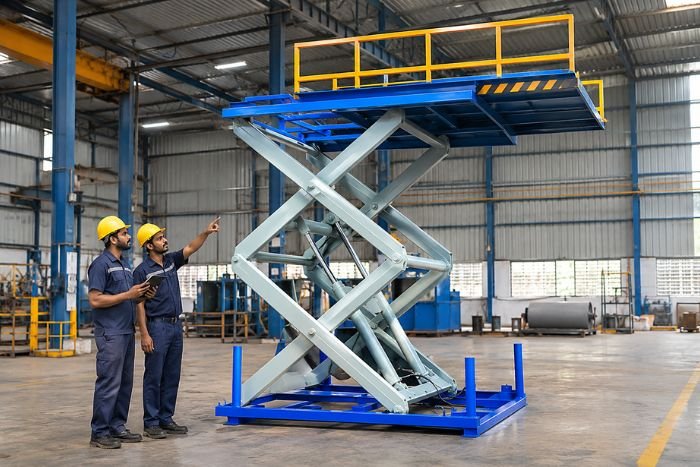
For example, a factory may use a hydraulic goods lift to move materials between floors. Another company may need a scissor lift to position heavy components during assembly.
The equipment may be different, but the purpose is similar: making industrial material movement more manageable.
Common Types of Hydraulic Material Handling Equipment
Different jobs require different machines. Here are some commonly used options.
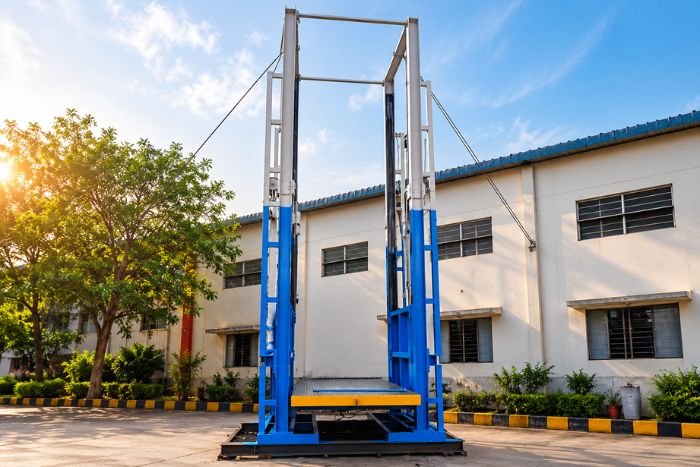
1. Hydraulic Goods Lift
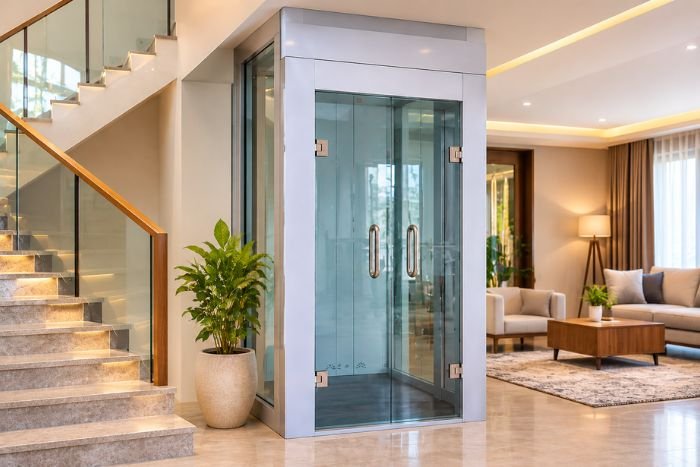
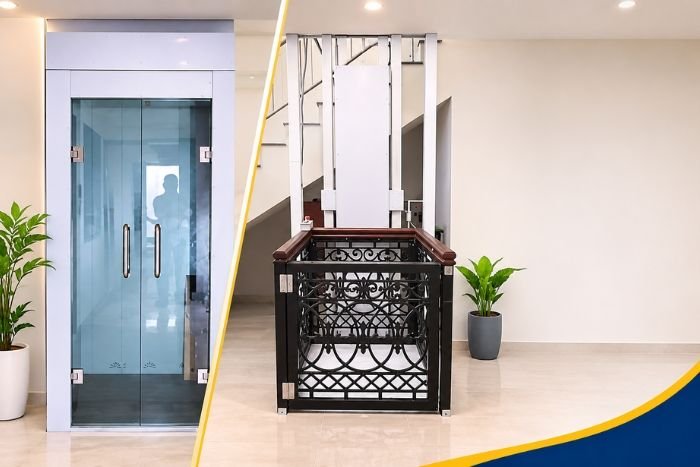
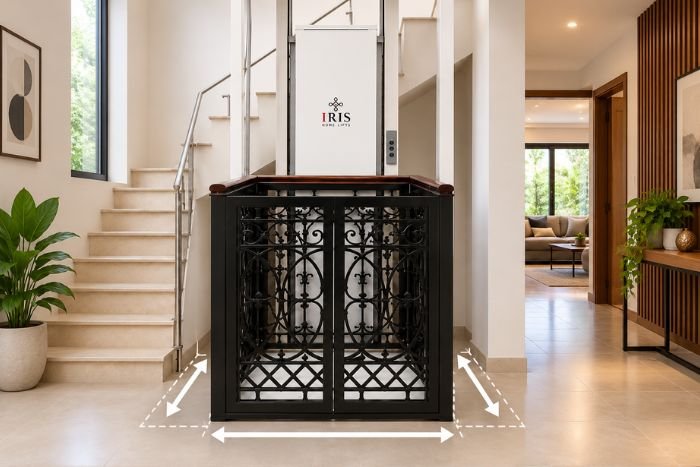
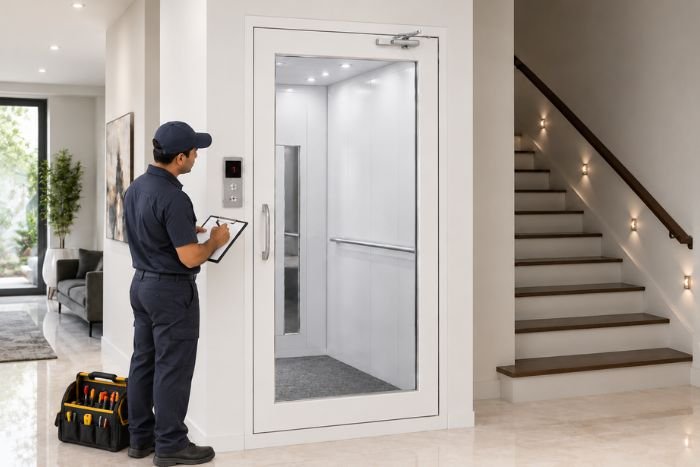
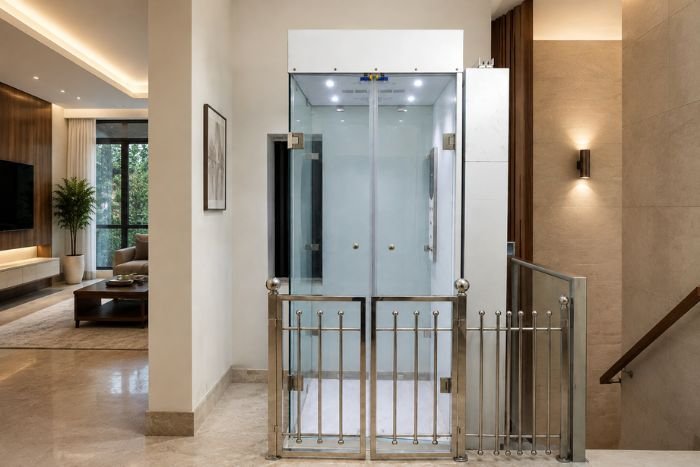
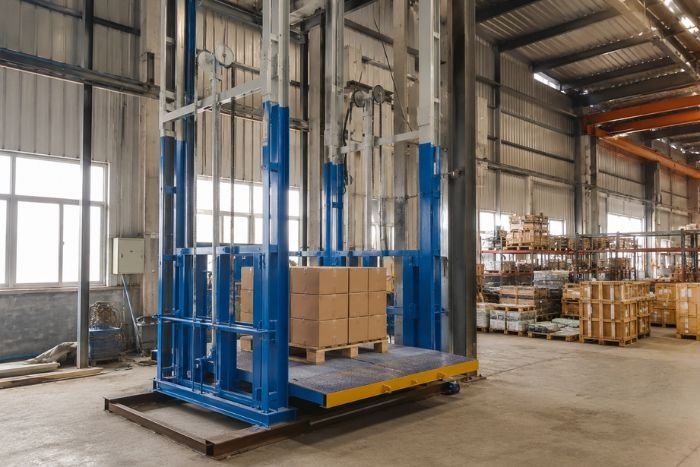
A Hydraulic Goods Lift is used to move materials vertically between different levels.
It can be useful in factories, warehouses, and storage buildings where goods need to be transferred between floors.
The required capacity, platform size, and installation arrangement depend on the building and materials being handled.
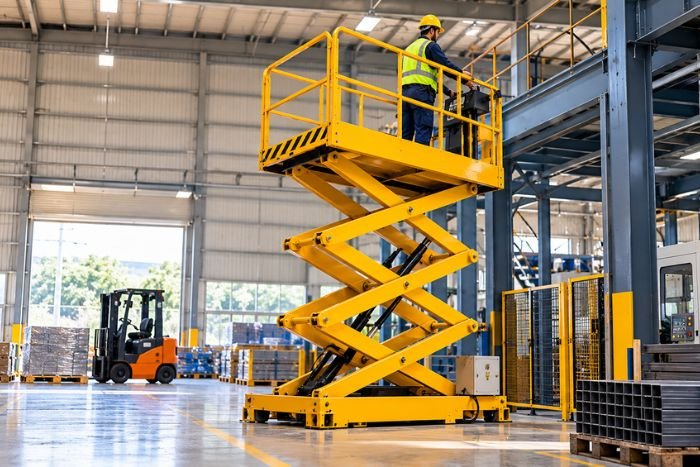
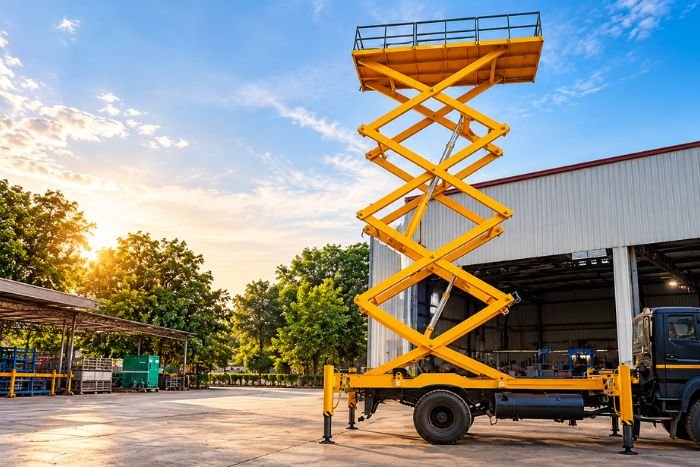
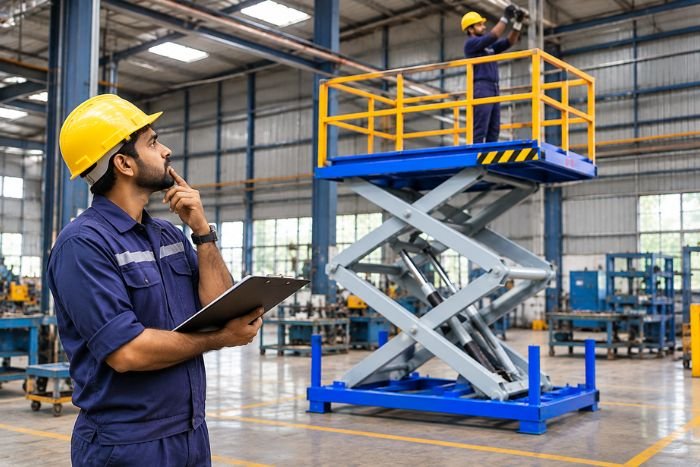
2. Hydraulic Scissor Lift
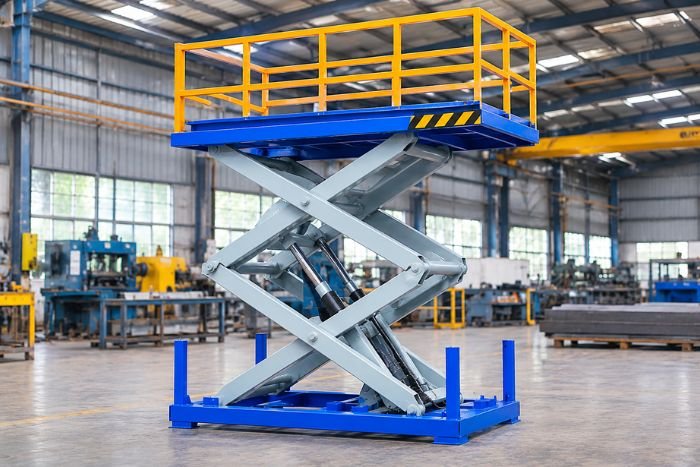
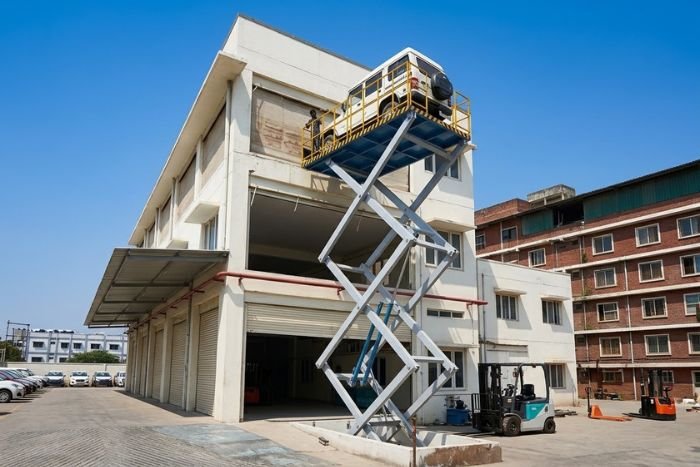
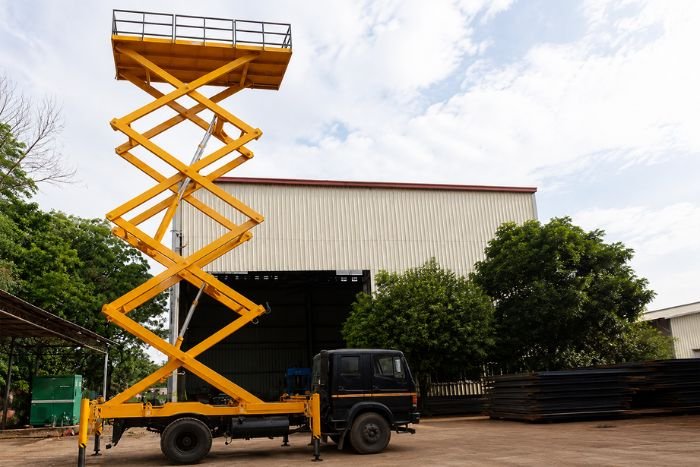
A scissor lift raises and lowers a platform using a crossed-arm lifting mechanism.
For example, in an assembly unit, workers may need to position a heavy component at a convenient working height.
A suitable scissor lift can help with this task.
Different configurations are available for various lifting heights and industrial applications.
3. Hydraulic Dock Leveler
Have you noticed the gap between a warehouse loading platform and a truck?
A Hydraulic Dock Leveler helps bridge differences in height between the loading dock and vehicle bed.
This makes it easier for suitable material handling equipment to move goods during loading and unloading.
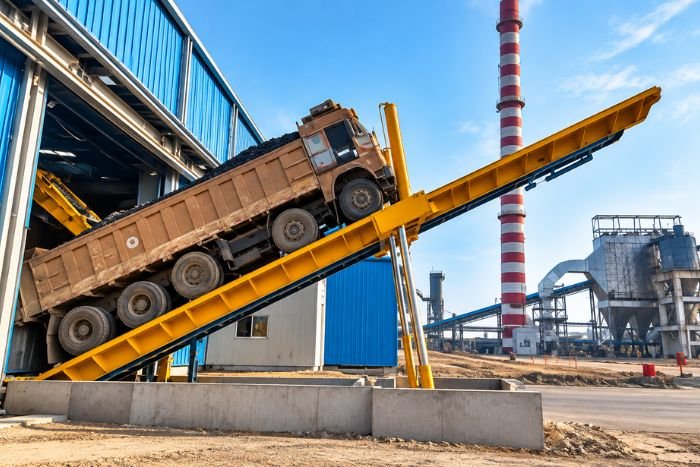
4. Hydraulic Truck Tippler
A truck tippler is used to unload suitable bulk materials by tilting a vehicle or its loaded platform.
These machines are commonly associated with bulk material handling operations.
The design must match the vehicle, load, unloading arrangement, and site conditions.
5. Hydraulic Stacker
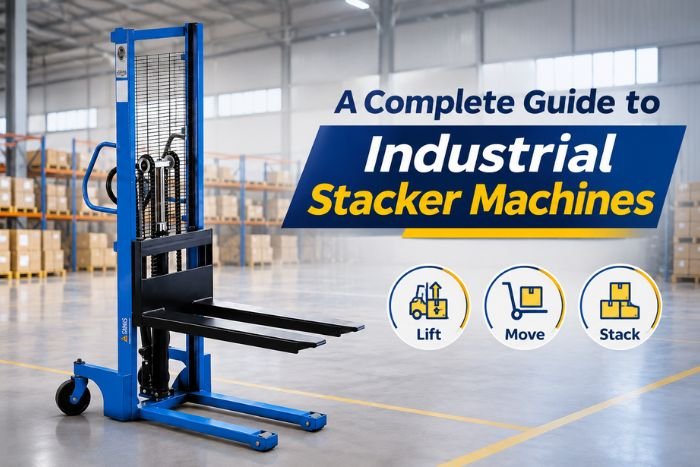
A hydraulic stacker helps lift and position materials, particularly palletized goods.
It can be useful in warehouses and manufacturing facilities where goods need to be arranged at different storage heights.
Why Do Factories Invest in Hydraulic Equipment?
Think about a busy manufacturing unit where workers handle heavy components throughout the day.
Without suitable lifting equipment, material movement may take more time and require additional manual effort.
Hydraulic equipment can support smoother operations in several ways.
Less Manual Handling: Suitable lifting equipment reduces the need for workers to lift heavy materials by hand.
Better Workflow: Materials can be positioned at the required working height or transferred between designated areas.
Controlled Movement: Hydraulic systems allow loads to be raised or lowered in a controlled manner when equipment is operated correctly.
Improved Productivity: The right equipment can reduce unnecessary handling steps during production.
Of course, these benefits depend on choosing the correct machine and using it safely.
1. First, Understand What You Need to Move
Before comparing machines, look at your daily operations.
Are you lifting steel components? Moving packed cartons? Loading trucks? Or transferring goods between floors?
For example, a textile unit handling packed materials may have different requirements from a heavy engineering factory moving large machine parts.
Start by identifying the actual work. This will help you shortlist suitable equipment.
2. Check the Load Capacity
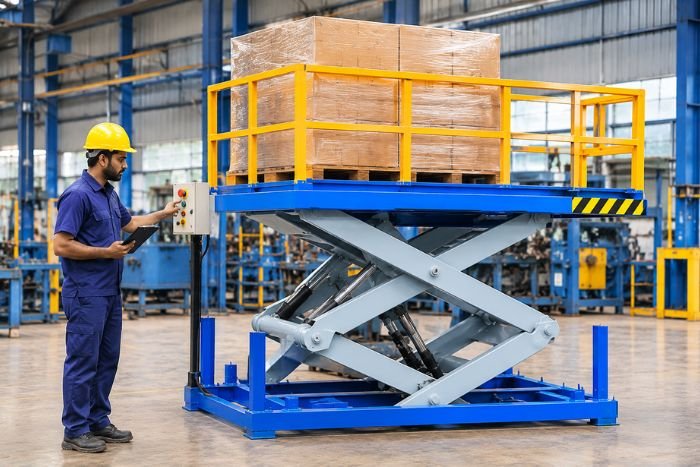
This is one of the most important points.
Every lifting machine has a rated load capacity. Exceeding it can create serious safety risks.
Calculate the maximum weight you expect to handle, including any permitted accessories or attachments.
Also consider how the load’s weight is distributed.
Don’t choose a machine simply because its capacity looks sufficient on paper. Confirm that it suits the actual loading conditions.
3. Measure the Available Space
Factory space matters more than many buyers initially realise.
Before purchasing equipment, check the available floor area, entry points, ceiling height, and surrounding machinery.
For instance, installing a goods lift in an existing building requires careful consideration of the available structure and access space.
Similarly, a scissor lift may need enough room for its platform and operating mechanism.
Taking proper measurements early can save installation difficulties later.
4. Think About Your Daily Working Hours
Will the machine operate occasionally, or will it be used repeatedly throughout the day?
A hydraulic lift used for occasional maintenance has different duty requirements from equipment operating continuously in a production facility.
Share your expected operating hours, lifting cycles, and load details with the manufacturer.
This helps in selecting equipment suitable for your working conditions.
5. Don’t Overlook Safety Features
When heavy loads are involved, safety must be considered from the beginning.
Depending on the machine, safety provisions may include:
- Emergency stop controls
- Limit switches
- Overload protection
- Mechanical locking arrangements
- Safety gates and barriers
- Emergency lowering arrangements
Not every feature applies to every machine. The required protection depends on its design, application, and relevant safety standards.
Operators should also receive proper training.
6. Standard Equipment or Customized Solution?
Sometimes, a standard machine will meet your requirements.
But what if your factory has limited installation space or handles materials with unusual dimensions?
In such cases, Customized Hydraulic Material Handling Equipment may be worth considering.
You can discuss load capacity, platform dimensions, lifting height, operating controls, and installation requirements with the manufacturer.
The aim is to select equipment that works with your existing operations.
7. Ask About Maintenance and Service Support
Buying industrial equipment is a long-term investment.
Before finalizing your purchase, ask about hydraulic oil maintenance, hose inspection, spare parts, electrical controls, and service support.
Regular inspections can help identify leaks, wear, and other developing issues.
It’s also worth understanding the recommended maintenance schedule and who will handle technical servicing.
Why Choose Isha Engineering and Co.?
Choosing the right equipment becomes easier when you can discuss your actual factory requirements with an engineering manufacturer.
Isha Engineering and Co., Coimbatore, provides industrial hydraulic and material handling solutions, including Goods Lifts, Scissor Lifts, Dock Levelers, Truck Tipplers, Stackers, and other specialized equipment.
Whether you operate a warehouse, engineering workshop, or manufacturing plant, you can discuss your load capacity, available space, lifting height, and daily operating requirements to explore a suitable solution.
Frequently Asked Questions
Which hydraulic equipment is suitable for moving goods between floors?
A hydraulic goods lift may be suitable, depending on the load, building layout, lifting height, and installation conditions.
Can hydraulic material handling equipment be customized?
Yes. Depending on the equipment and manufacturer’s capabilities, dimensions, capacities, and operating arrangements may be customized.
What should I check before buying hydraulic equipment?
Check the application, rated capacity, available space, operating frequency, safety requirements, and maintenance support.
Conclusion
Buying Hydraulic Material Handling Equipment is not just about choosing a machine with enough lifting power.
You need equipment that matches your materials, factory layout, working hours, and daily operations.
Take time to understand these requirements before making a decision.
If you’re looking for hydraulic material handling equipment in Tamil Nadu, Isha Engineering and Co., Coimbatore, offers industrial lifting and material handling solutions for different applications.